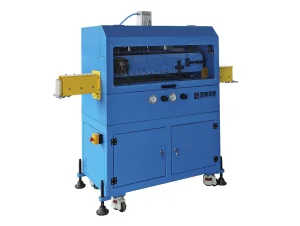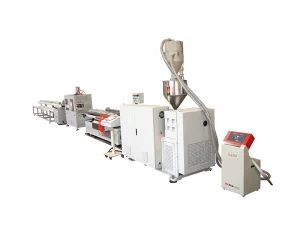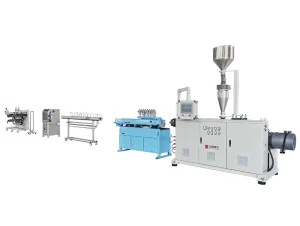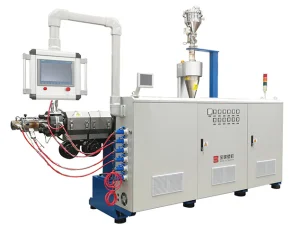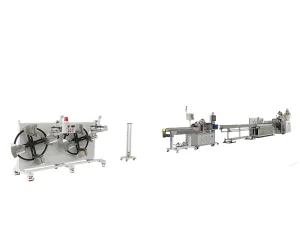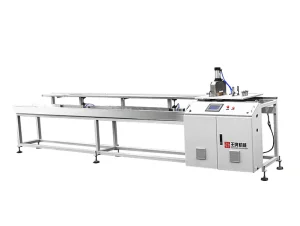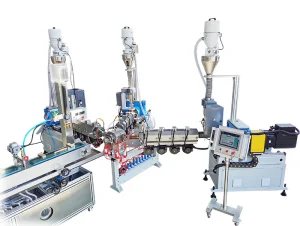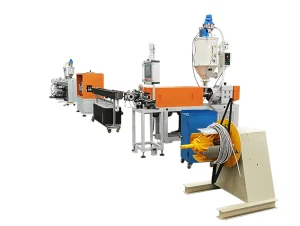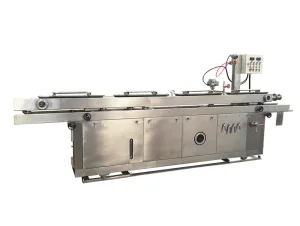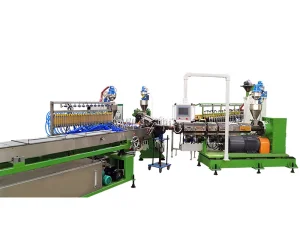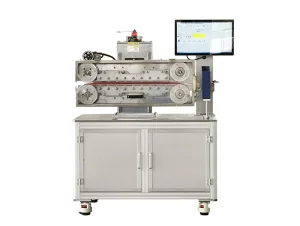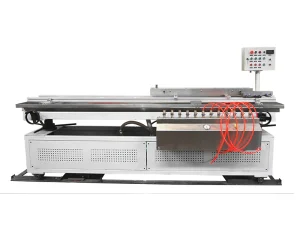
Co-extrusion technology represents the pinnacle of modern polymer engineering. By simultaneously merging multiple melt streams through a single high-precision die block, manufacturers can produce tubing that exhibits distinct, complementary characteristics across different layers. In challenging industrial environments, a single monolithic polymer rarely satisfies all operational parameters—such as high burst pressure, chemical resistance, flexibility, and barrier properties—simultaneously.
Through advanced co-extrusion engineering, material scientists combine core polymers (such as polyamides, polyurethanes, fluoropolymers, and thermoplastic vulcanizates) in concentric geometries. The resulting multi-layer tubing delivers excellent fluid transmission performance, structural longevity, and cost efficiency. Optimizing the rheology of these individual polymer streams is crucial to prevent interface slip, shear stress buildup, and eventual delamination during cooling.
Modern co-extrusion configurations range from 2 to 5 distinct layers. The inner lining is typically engineered for chemical compatibility or low coefficient of friction (e.g., PTFE or PVDF), the middle core serves as a high-strength structural substrate (such as PA12), and the outer sheath provides UV stabilization, abrasion resistance, or specialized color-coding for field integration.
Analyzing key commercial dynamics, manufacturing requirements, and quality paradigms for international procurement teams sourcing high-precision co-extruded tubing solutions.
Industrial procurement teams look beyond unit pricing to prioritize overall value. Global supply chain strategies require equipment partners to deliver turn-key reliability, complete tooling customization, and fast response times to keep production lines running efficiently.
High-precision tubing must comply with international standards, including IATF 16949 for automotive cooling lines, ISO 13485 for medical-grade multi-lumen catheters, and FDA requirements for food-contact fluid transmission.
Complex applications demand multi-material integration. Co-extruding incompatible polymers, such as polar polyamides and non-polar polyolefins, requires specialized tie-layers (adhesive resins) and precise thermal profile controls.
China's extrusion manufacturing ecosystem has evolved from high-volume production to advanced, precision-driven Smart Manufacturing (Factory 4.0). Leading OEMs like Jiangsu Baodie Automation Equipment Co., Ltd. (BAOD EXTRUSION) implement real-time closed-loop control systems, automated laser sizing tables, and gravimetric dosing systems to ensure process consistency.
This localized supply chain integration offers structural cost efficiency, rapid prototyping, and responsive tool modifications. Having local access to die-head manufacturing facilities, precision CNC shops, and material suppliers allows BAOD to fast-track commissioning cycles and lower the cost of ownership for international buyers.
"Integrating IoT diagnostics, real-time melt pressure controls, and automated downstream sizing tools is key to maintaining a competitive edge in high-yield co-extrusion technology."
A technical guide to matching polymer layers, adhesive layers, and extrusion temperature parameters for industrial co-extrusion setups.
| Polymer Layer Combinations | Common Industrial Application | Required Tie-Layer / Adhesive | Key Process Challenges | Target Temperature Profile |
|---|---|---|---|---|
| PA12 / Admer / HDPE | Automotive fuel lines, vapor barrier tubing | Maleic Anhydride Grafted Polyolefins | Preventing delamination under thermal cycling | 210°C - 240°C |
| PVDF / PA12 | Chemical dosing, high-purity fluid delivery | Specialized co-polyamide resins | Handling corrosive PVDF melt dynamics and outgassing | 230°C - 260°C |
| TPV / Polypropylene | Automobile weather seals, elastic profiles | No tie-layer required (inherent bonding) | Matching polymer flow behaviors and avoiding die swell | 180°C - 210°C |
| Polyurethane (TPU) / PVC | Pneumatic hose, medical braided tubing | Modified polyurethane bonding agents | Managing thermal degradation and gas release in PVC | 170°C - 195°C |
| FEP / Polyamide | Ultra-clean fuel delivery, aerospace wiring | Fluoropolymer-compatible tie resins | Extreme differences in melting temperatures | 280°C - 330°C |
Real-world implementations of multi-layer co-extrusion systems across critical industries like automotive, medical, and industrial automation.
Automobile designs require lightweight cooling and fuel vapor systems. Multi-layer co-extruded tubes (PA12/EVOH/PA12) prevent fuel vapors from escaping, helping manufacturers meet strict environmental emissions standards worldwide.
Medical catheter applications need precise dimensions and bio-compatibility. Multi-lumen co-extrusion technology produces tubes with distinct, non-communicating channels, allowing clinicians to deliver medication, guide wires, and vacuum suction at the same time.
Industrial wiring needs protection from extreme heat and mechanical stress. Co-extruded, single-wall corrugated pipes combine a tough, wear-resistant outer layer with a low-friction inner layer to make wire routing easier.
Expert answers to common engineering questions and technical challenges in precision multi-layer polymer extrusion processes.
BAOD EXTRUSION (Jiangsu Baodie Automation Equipment Co., Ltd.), established in 2002, specializes in the design, manufacturing, and distribution of high-performance plastic extrusion systems. Building on 18 years of engineering expertise in Taiwan, our original parent company (KINGSWEL GROUP) established our main manufacturing base in Shanghai in 1999.
Today, with over 25 years of engineering experience, BAOD remains focused on advancing precision extrusion technology, enhancing automation, and ensuring system safety. Our modern 16,000m² manufacturing facility is equipped to deliver high-quality, customized machinery for clients around the globe.
Explore recent industry updates, trade show highlights, and technical insights from the BAOD Extrusion engineering team.
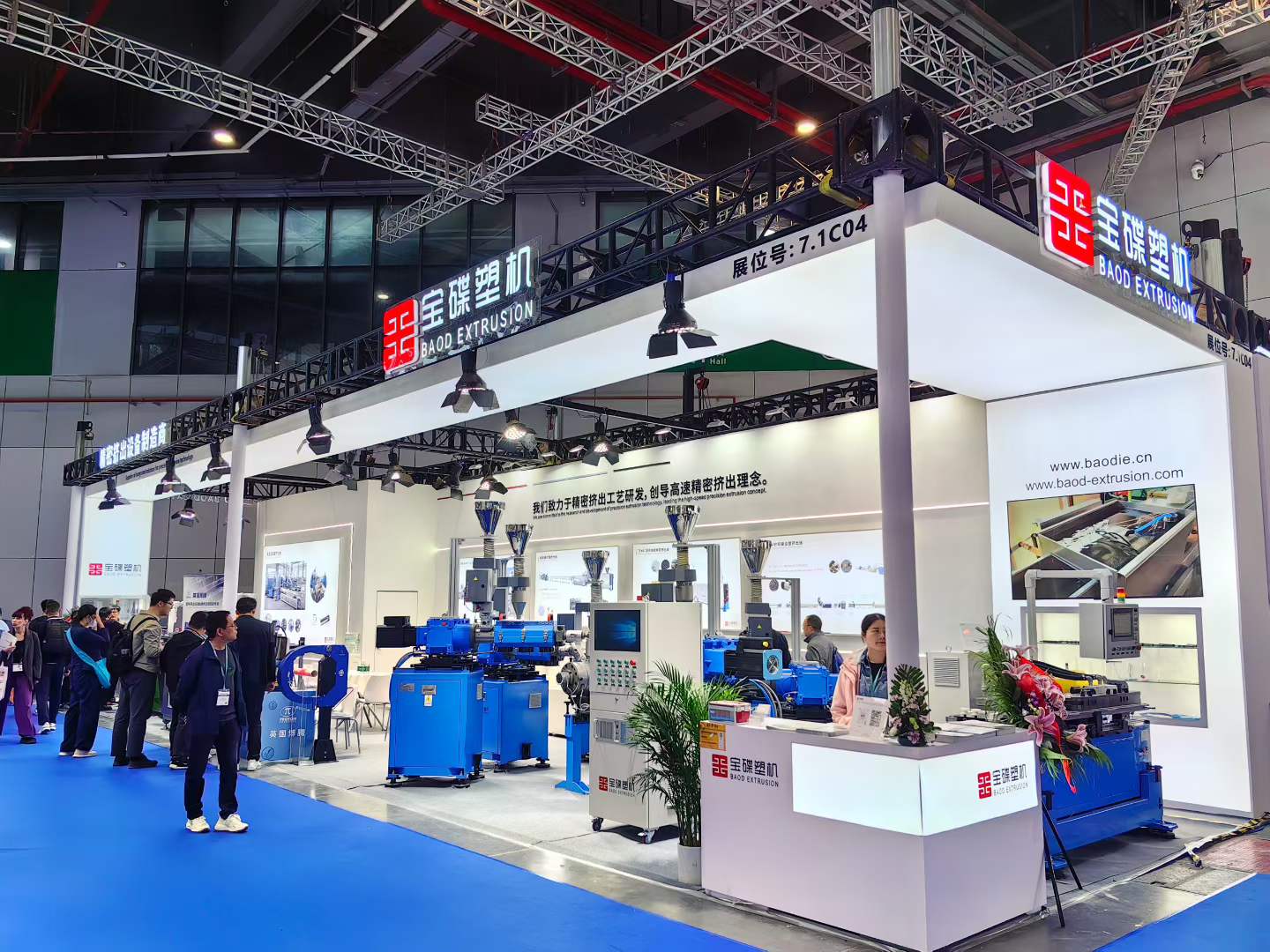
At CHINAPLAS 2026 in Shanghai, BAOD showcased its latest smart extrusion systems, demonstrating high-efficiency solutions designed to help manufacturers optimize production throughput and reduce energy consumption.
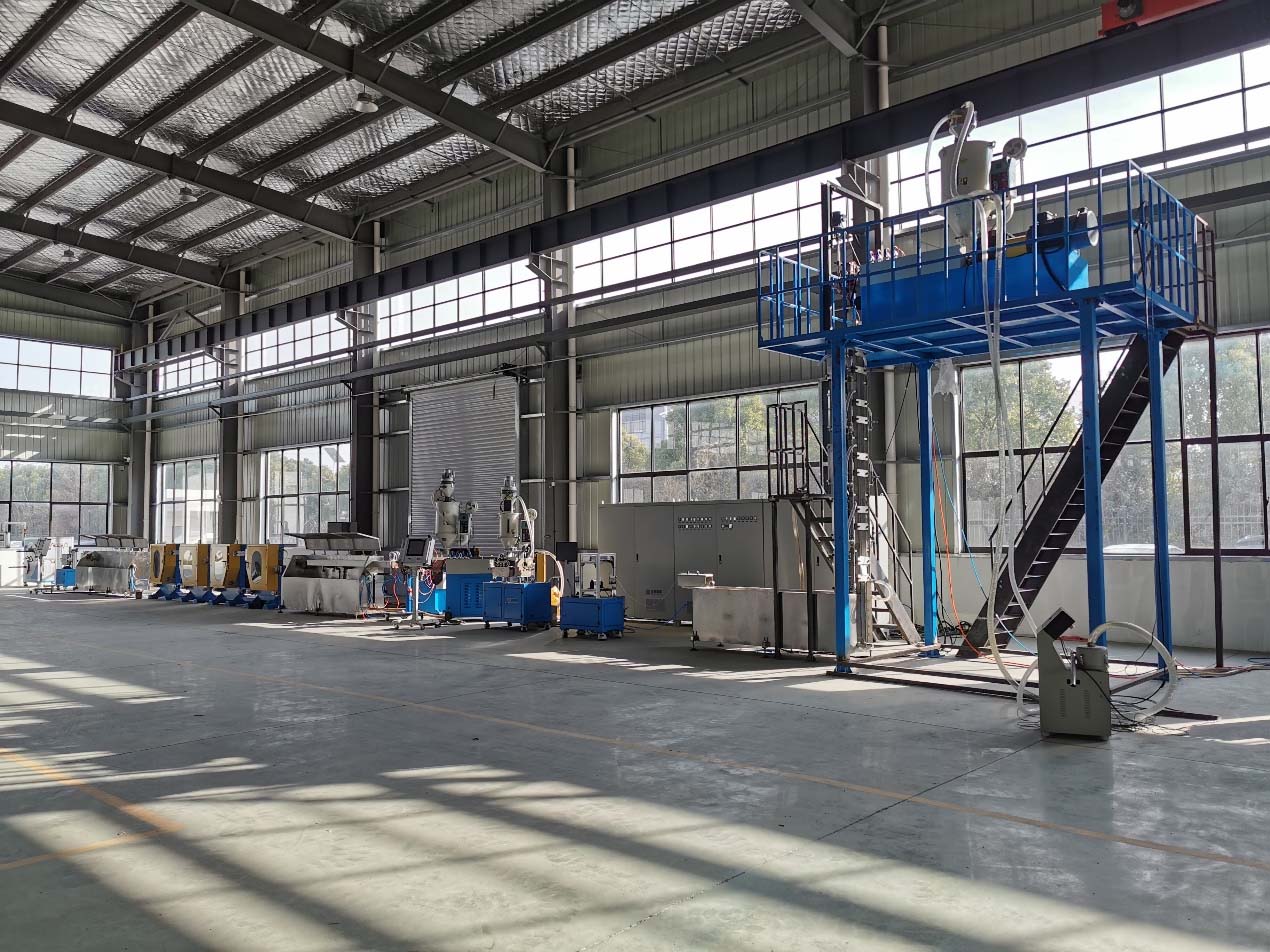
Supplying high-precision detonating tubes for mining and infrastructure demolition requires strict safety standards and precise dimensional tolerances. Learn how BAOD delivers reliable customized extrusion systems for these critical sectors.
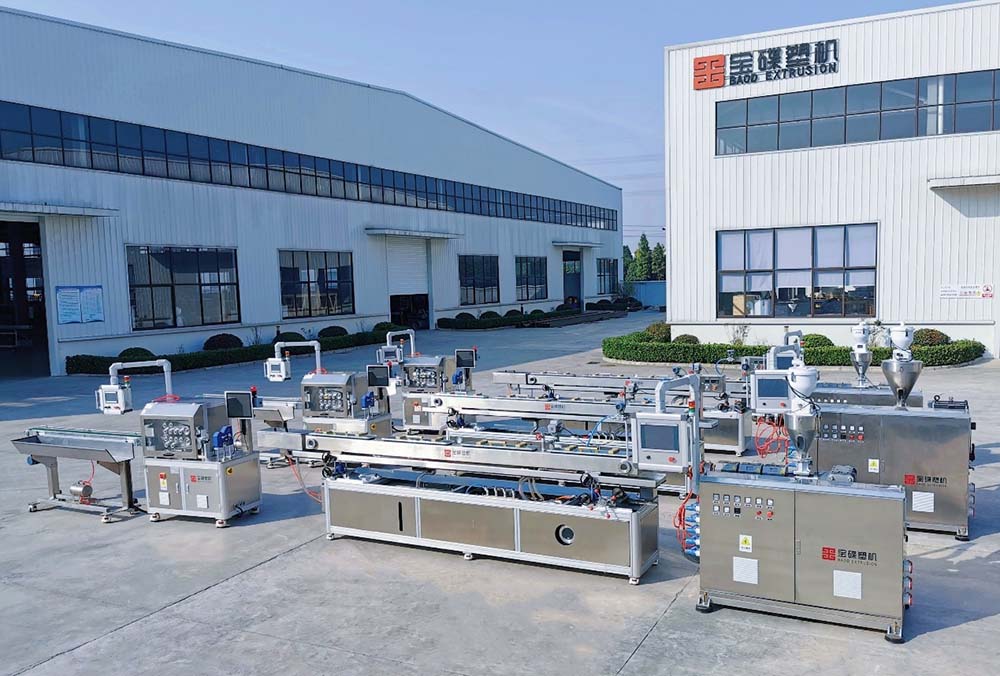
A detailed comparison of manufacturing standards, tolerance controls, and mechanical setups between domestic high-precision multi-lumen lines and traditional European designs.
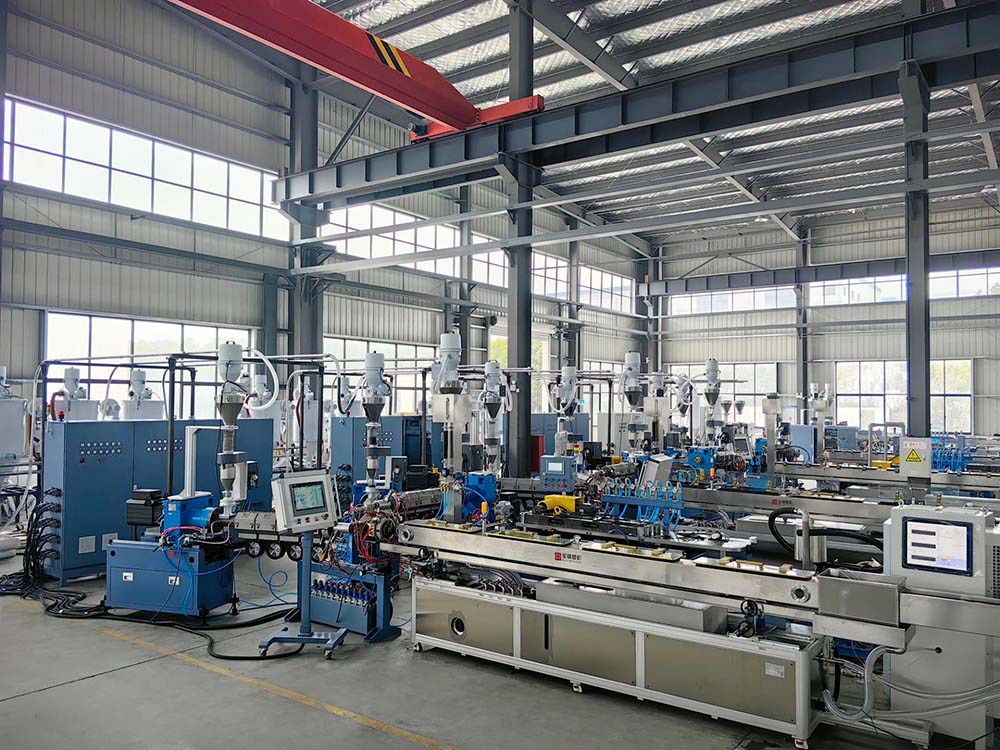
Discover how BAOD aligns its production processes with strict automotive standards to provide international Tier-1 suppliers with compliant, high-quality tube extrusion lines.
 Baodie