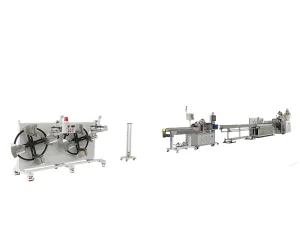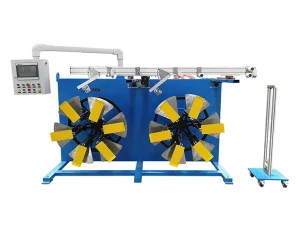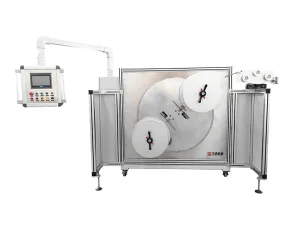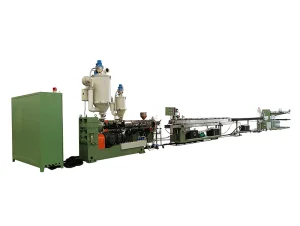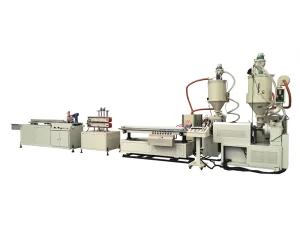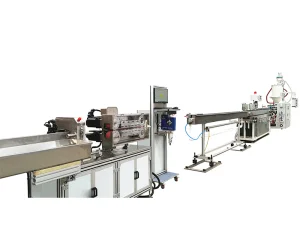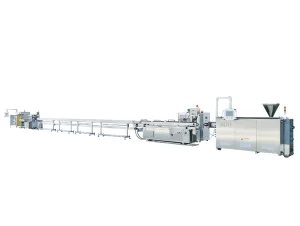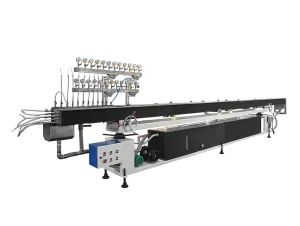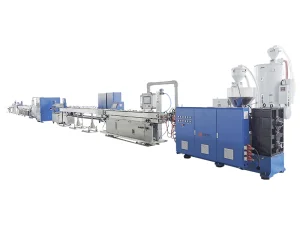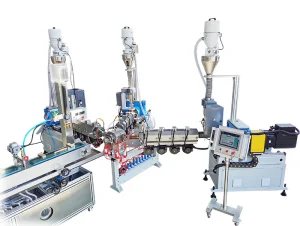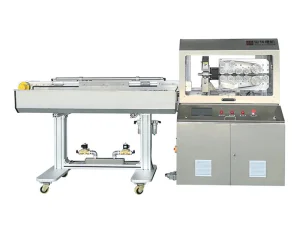
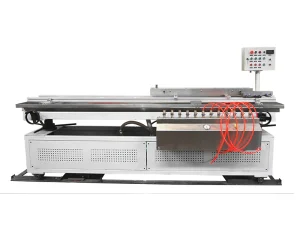
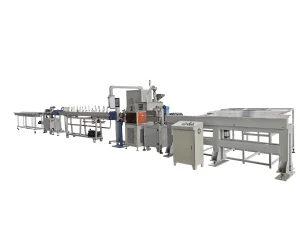
Founded in 2002, BAOD EXTRUSION (Jiangsu Baodie Automation Equipment Co., Ltd.) is a highly specialized engineering enterprise dedicated to the design, custom-manufacturing, and global supply of precision plastic extrusion equipment. Integrating over 18 years of pioneering Taiwan-based design experience from our original parent group, KINGSWEL GROUP (which established its Shanghai manufacturing base in 1999), BAOD has grown into a major hub of global plastic extrusion technology.
We commit heavily to sustained research and development in premium precision profiles, high-performance automotive fluid tubes, and specialized sealing strip co-extrusion machinery. By blending robust mechanical architectures with advanced German and Japanese automation systems, we deliver turnkey processing lines capable of meeting rigorous Tier-1 automotive and aerospace tolerances.
BAOD Extrusion continuously reinvents manufacturing paradigms to prioritize lower carbon footprint, reduced material scrap rates, and zero-defect output for Tier-1 suppliers.
Discover BAOD HistoryYears Extrusion Design
Advanced Production Site
Specialists & Engineers
In the highly competitive global automotive industry, sealing systems represent a critical engineering boundary. They control Wind Noise, Vibration, and Harshness (NVH) levels, provide thermal insulation, and ensure absolute protection against moisture, dust, and environmental contaminants. Historically, EPDM (ethylene propylene diene monomer) rubber dominated this sector. However, the modern automotive supply chain, heavily influenced by the rise of electric vehicles and strict environmental regulations, is moving swiftly toward Thermoplastic Vulcanizates (TPVs) and thermoplastic elastomers (TPEs).
TPVs offer significant benefits: they are 100% recyclable, require no vulcanization ovens during extrusion (saving enormous energy and factory footprint), and allow for significant weight reduction (up to 30% lighter than classic EPDM profiles). For EV manufacturers aiming to maximize battery range, every gram saved is valuable. BAOD's customized TPV Automobile Sealing Strip Extrusion Lines are engineered to process these materials with high precision, maintaining stable head pressures to ensure dimensional uniformity across complex, multi-density profiles.
Combining rigid structures with soft sponge profiles and integrated metal wires or fabric inserts in a single continuous process.
Intelligent control loops balance pressure and temperature gradients, preventing micro-voids in cellular rubber sections.
No large, energy-intensive vulcanization tunnels needed for TPV lines, saving up to 45% in operating power costs.
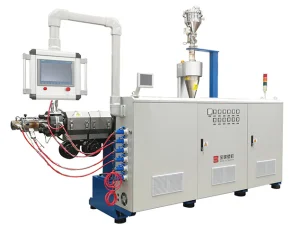
A high-performance automotive sealing strip extrusion line must coordinate several complex steps. The raw material undergoes precise plasticization inside the extruder, is shaped by highly specialized die geometry, and is then cooled and set at precise dimensions. When producing composite profiles (like glass-run channels with integrated steel carriers and velvet-flocked sealing lips), the line must run with absolute synchronization.
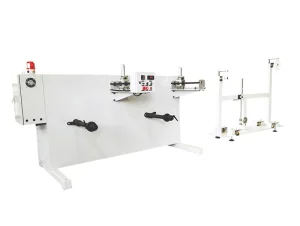
Unwinding and feeding steel inserts with precise tension control into the die head.
Combining rigid base, sponge bubble, and low-friction slip coatings via multi-extruder feeds.
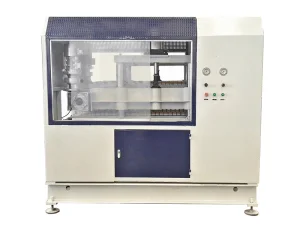
Vacuum-assisted calibration tanks secure profile cross-sections with water spraying.
Electrostatic velvet flocking or PU coating with inline UV-curing or thermal curing systems.
Dual-caterpillar pullers ensure stable speeds, feeding to automated flying cutters.
To achieve tolerances of ±0.05 mm on critical seal dimensions, BAOD uses advanced, customized components throughout the extrusion line:
Automotive OEMs demand long-term durability and performance for cabin seals. As vehicles age, their sealing strips must resist UV radiation, extreme temperature fluctuations, ozone degradation, and continuous compressive forces without setting (compression set). BAOD Extrusion designs systems tailored to produce seals that maintain their shape and elasticity over years of operation.
Additionally, modern cabins require complex, multi-functional seals. For example, glass-run channels need low friction values to allow windows to slide smoothly without stalling motor drives. By incorporating micro-extrusion heads for slip-coating materials or applying precise inline electrostatic flocking, our lines enable Tier-1 manufacturers to produce high-value components efficiently. The extrusion lines are optimized for quick tool changes and rapid material transitions, allowing factories to shift production between different car models with minimal down-time.
A summary of typical line specifications designed by BAOD Extrusion:
| Line Speed: | Up to 30 m/min |
| Tolerance Band: | ±0.03 mm to ±0.07 mm |
| Extruder Power: | AC Siemens/ABB Drives |
| Automation Level: | Siemens S7-1500 PLC |
The manufacturing world is shifting toward fully networked production environments. BAOD Extrusion stays ahead of this curve by integrating advanced SCADA systems and cloud-enabled monitoring solutions directly into our extrusion platforms. By collecting real-time sensor data—including zone temperatures, melt pressures, motor currents, and puller speeds—the control system can predict wear and flag anomalies before they cause out-of-tolerance products.
Furthermore, our smart extrusion lines feature automated feedback loops. When the inline laser scanner detects minor changes in the outer dimensions of the sealing strip, it automatically sends micro-adjustments to the main extruder and the puller speed. This real-time synchronization minimizes start-up scrap rates and maintains high dimensional accuracy through long production runs, reducing reliance on manual adjustments.
Automated closed-loop control minimizes material waste by adjusting the line quickly during startup, saving raw materials.
Quick-disconnect electrical and water assemblies allow rapid swapping of vacuum calibration units for different profile shapes.
Fully enclosed cutting and pulling zones, complete with safety interlocks, meet the highest European and American safety standards.
Under normal operating conditions and using high-grade TPV or PVC formulations, BAOD precision extrusion lines achieve dimensional tolerances within ±0.03 mm to ±0.07 mm. This level of control is supported by high-accuracy servo-caterpillar pullers, Siemens PLC closed-loop control, and integrated inline laser measurement feedback loops.
We configure co-extrusion setups with up to three or four extruders feeding a single, multi-channel cross-head. The die channels are custom-designed using advanced flow-simulation software, ensuring the different material streams merge cleanly at the correct temperatures and pressures to prevent delamination of rigid and sponge layers.
Yes. We offer continuous payoff systems with accumulated loop buffers. This lets operators weld the tail of the current steel strip to the head of the new reel while the accumulator feeds the line, preventing downtime and maintaining steady production speeds.
Custom-engineered systems require about 90 to 120 days from initial approval of engineering drawings to factory tests in China. This lead time includes detailed dynamic flow simulation, precision manufacturing, assembly, and testing under production-like conditions.
Yes. We send experienced commissioning engineers worldwide to install equipment, run startup tests, and train operations teams. Our PLC systems also support remote diagnostic modules, allowing our engineers to securely troubleshoot issues online to minimize downtime.
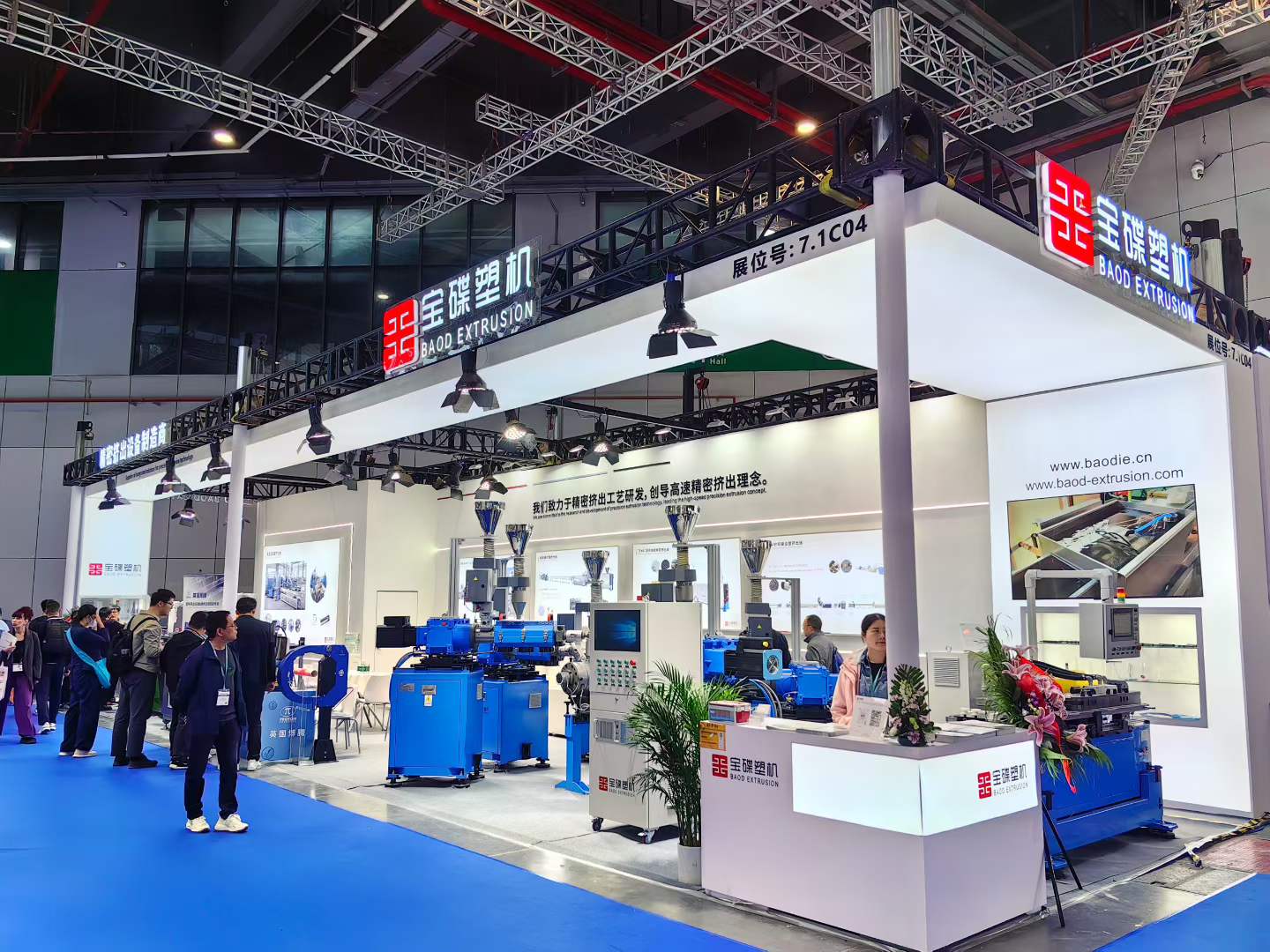
BAOD EXTRUSION showcased its latest R&D achievements at Booth 7.1C04 in the National Exhibition and Convention Center, presenting "Smart Extrusion & High-Efficiency Innovation" solutions that drew interest from Tier-1 automotive tier suppliers globally.
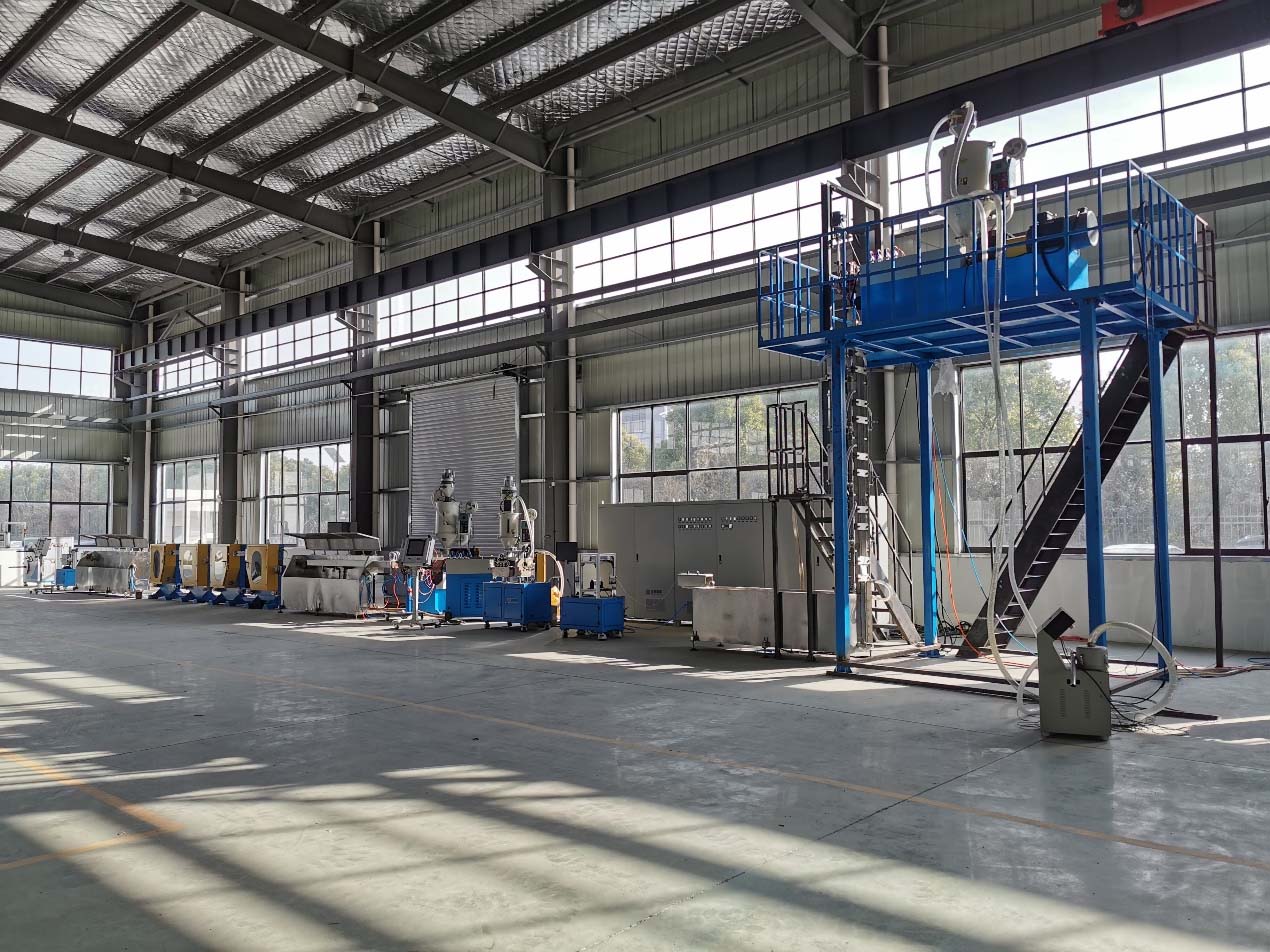
In sectors ranging from mining to large-scale infrastructure demolition, the precision of shock tubes is vital. BAOD's technology provides uniform wall thicknesses and consistent material properties, supporting reliability in demanding environments.
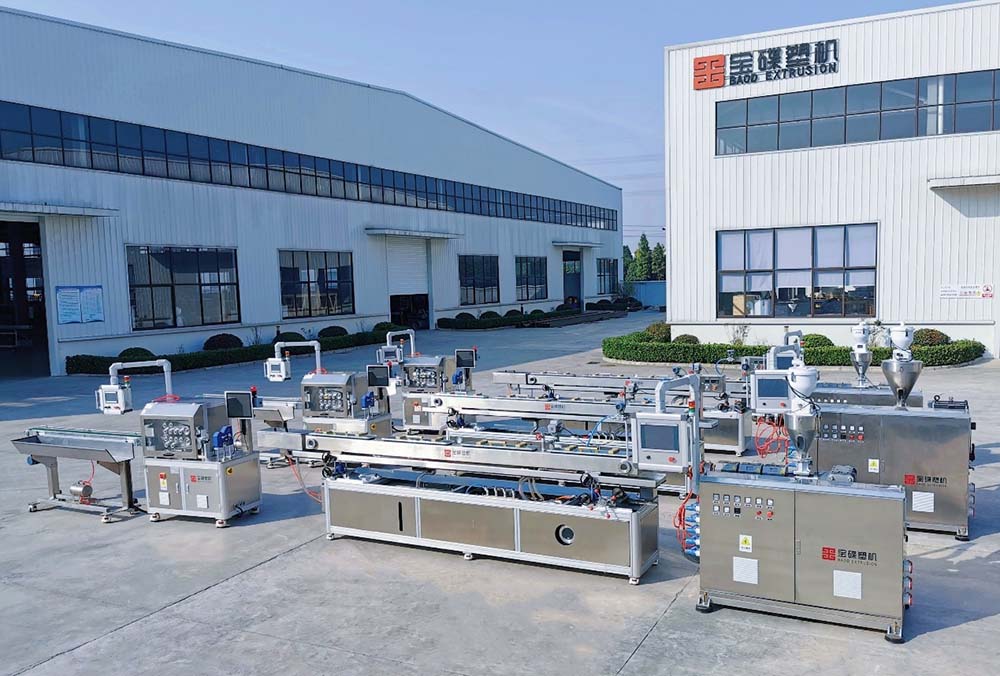
Comparing high-precision extrusion systems highlights how Chinese manufacturing, led by BAOD, matches European standards for medical and automotive multi-lumen lines while offering competitive lead times and cost efficiency.
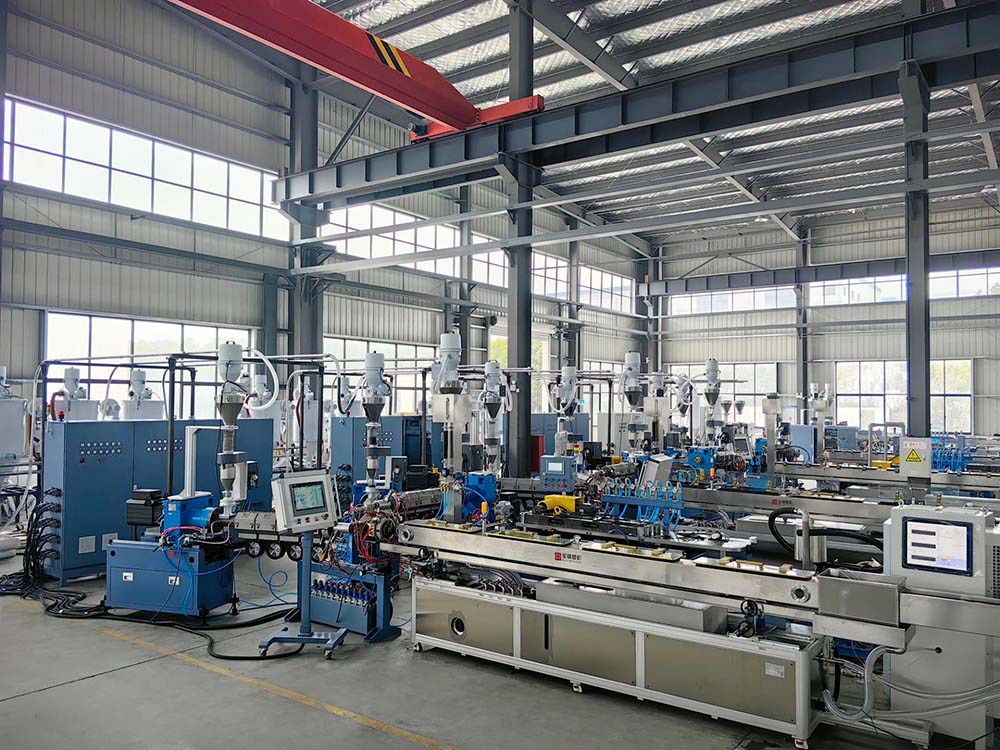
Understanding how vehicle manufacturers ensure the integrity of fuel lines and cooling tubes. BAOD shows how the shift toward electric vehicles has increased the need for compliance in technical plastic tube extrusion.
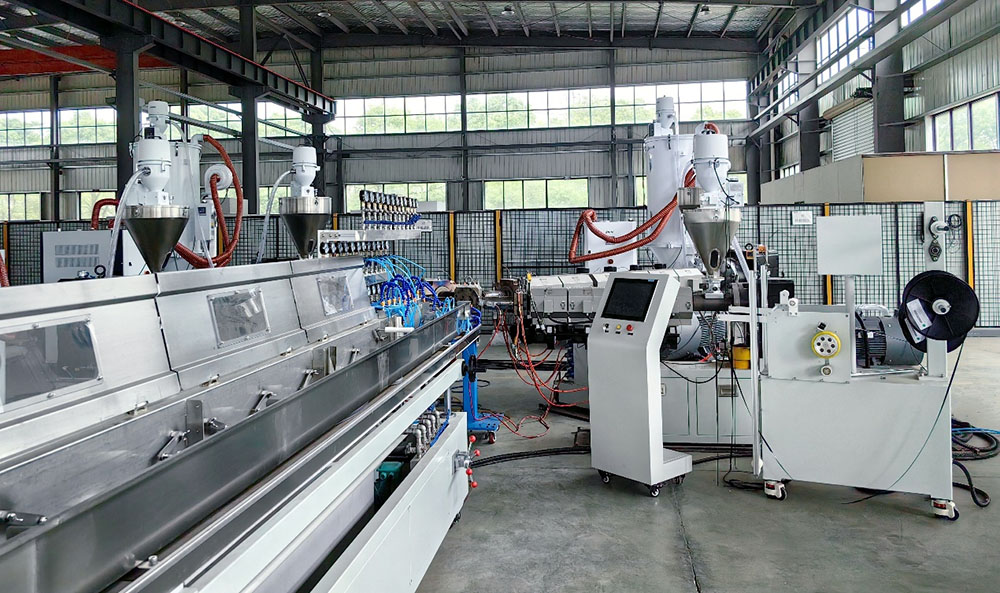
Inside look at how BAOD is optimizing automobile sealing strip extrusion machinery to meet the requirements of new electric and hybrid vehicle platforms in 2026.
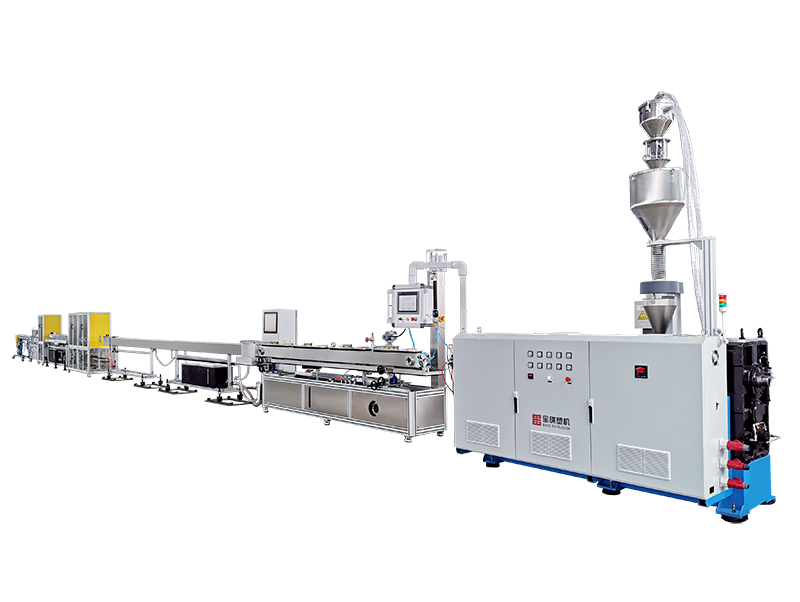
Designed for high-speed, high-tolerance manufacturing of industrial and commercial micro-tubing systems.
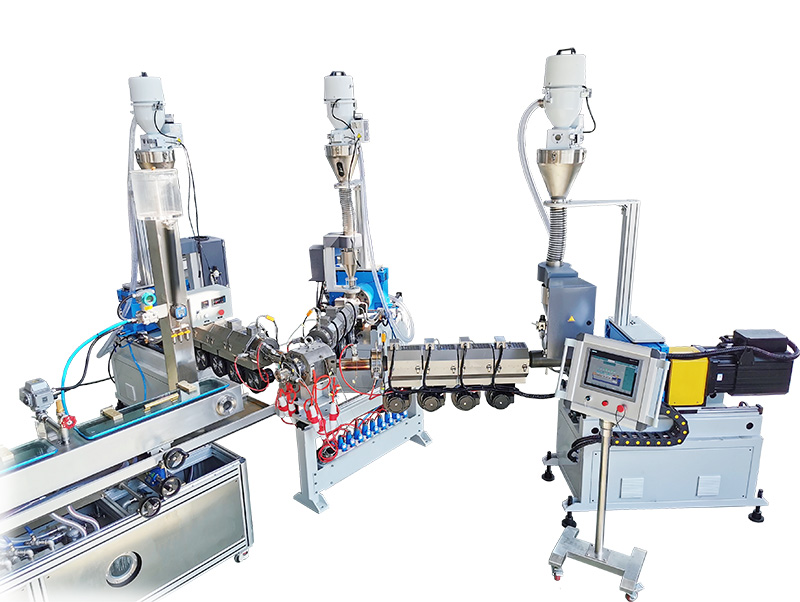
Co-extrusion solutions for fuel lines, ventilation lines, and brake system conduits.
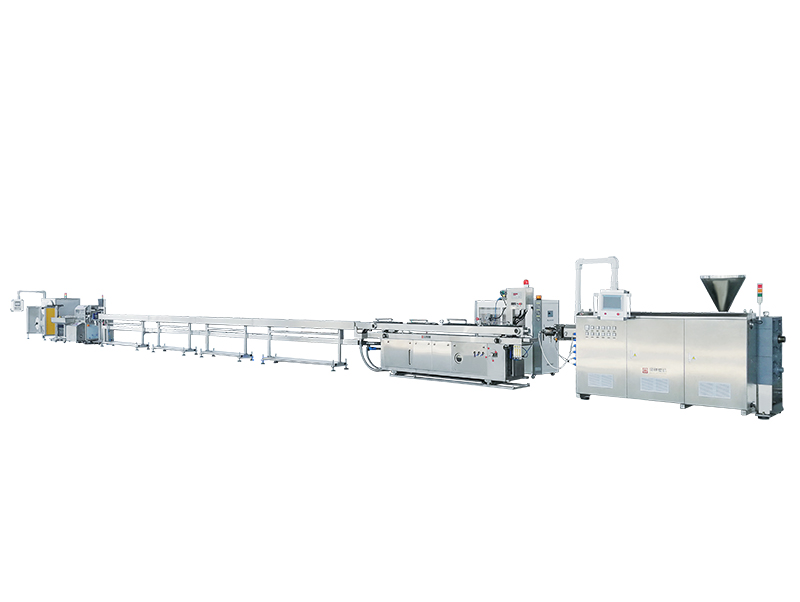
Clean-room ready medical tubing lines engineered to meet stringent ISO 13485 standards.
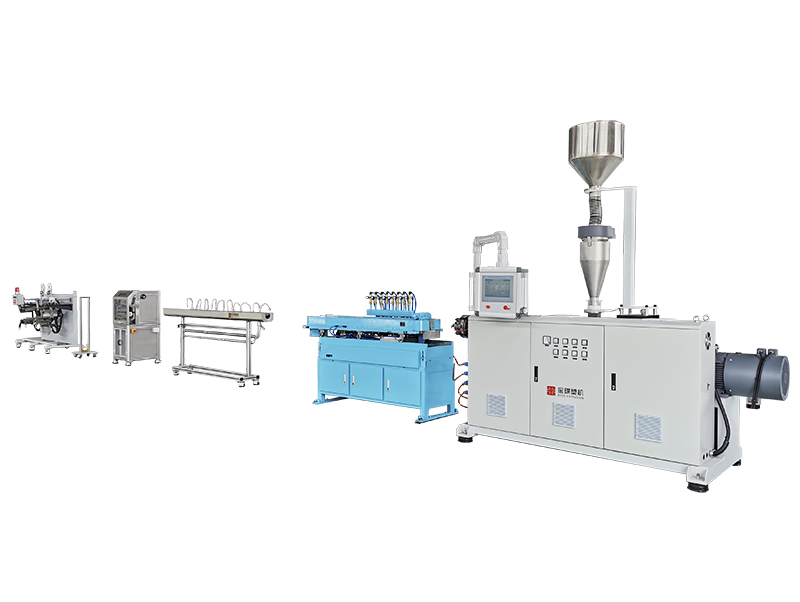
Continuous high-volume production of automotive wire harness conduits and flexible tubes.
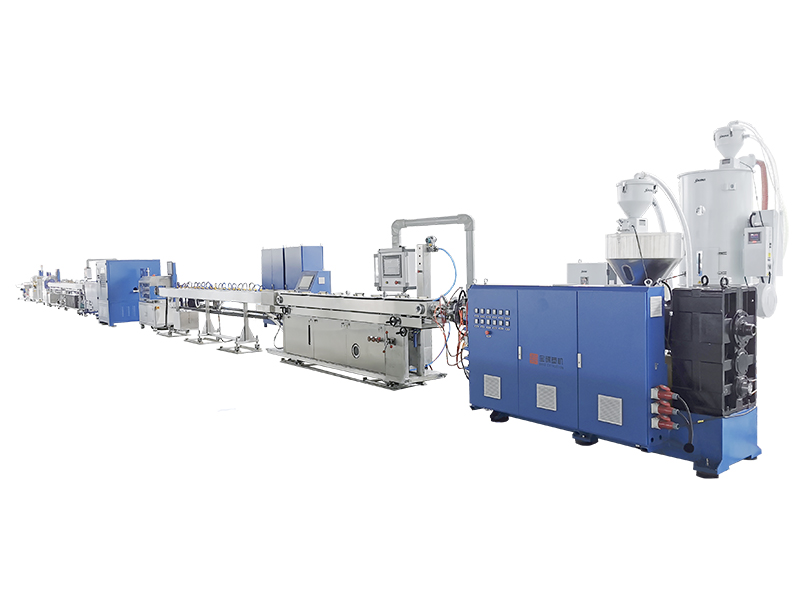
Knitted fiber-reinforced hose systems for high-pressure cooling circuits.
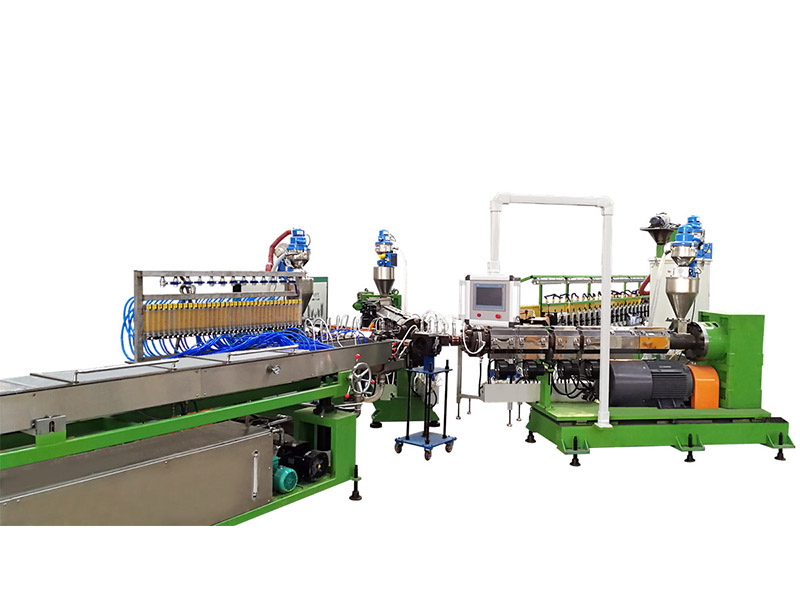
Our core system for fabricating multi-durometer sealing channels for global automotive applications.
 Baodie