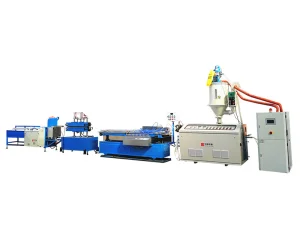
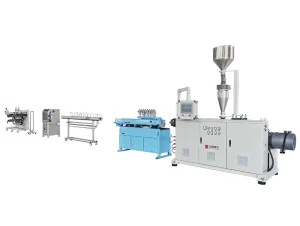
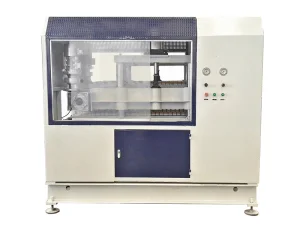
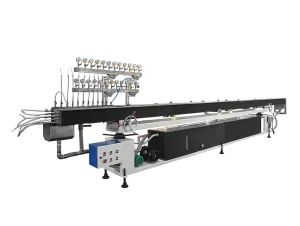
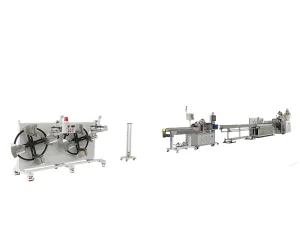
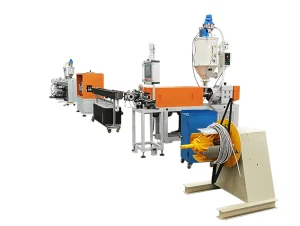
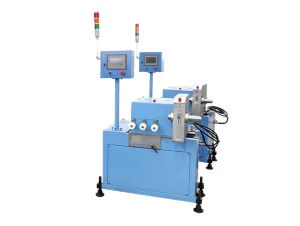
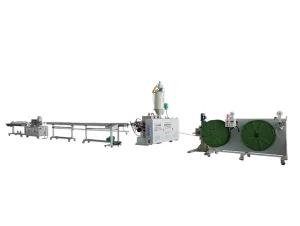
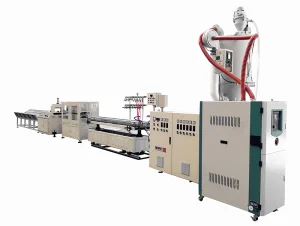
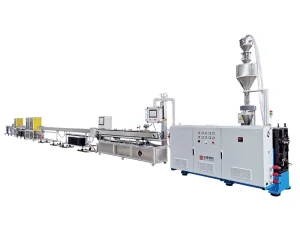
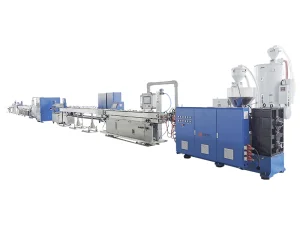
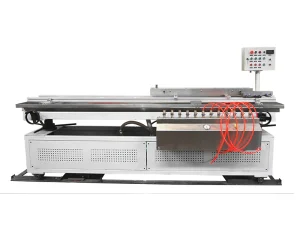
Explore our premium machinery components and custom extrusion lines built to achieve industry-leading tolerances and output efficiency.
Polyamide (PA) pipes—commonly known as Nylon pipes—have become the bedrock of fluid handling systems in modern automotive design. The transition from heavy, corrosion-prone metallic lines to engineered plastics is driven by the global automotive industry's pursuit of vehicle lightweighting, emissions reduction, and structural longevity. Today, polyamide polymers (specifically PA6, PA11, and PA12) are utilized extensively due to their superior chemical resistance, high thermal stability, and exceptional burst pressure tolerances.
Globally, tier-1 automotive suppliers demand strict compliance with international standards such as DIN 73378, DIN 74324, and SAE J844. This makes high-precision, highly automated PA pipe extrusion lines essential. The extrusion process must maintain a constant raw material phase transformation, absolute inner and outer diameter consistency, and zero thermal degradation of the polymer matrix to meet these rigorous standards.
Manufacturing automotive-grade PA pipes requires an advanced understanding of the material's crystalline structure. Polyamide has a narrow processing window and is highly hygroscopic. Extruding it into precision tubes demands machinery that delivers precise control over temperature zones, screw shear rates, and vacuum calibration.
Automobile fluid loops require different structures depending on the fluid they transport:
To secure a dimensional tolerance of less than ±0.03mm, top-tier manufacturers configure their extrusion lines with:
China's extrusion machinery manufacturing industry has evolved from low-cost replication to a global hub of high-tech automation and high-efficiency manufacturing. The engineering capability of leading Chinese factories rivals European standards while offering unmatched cost-to-performance ratios and rapid integration timelines.
Key factors that give Chinese factories like BAOD Extrusion a competitive edge globally include:
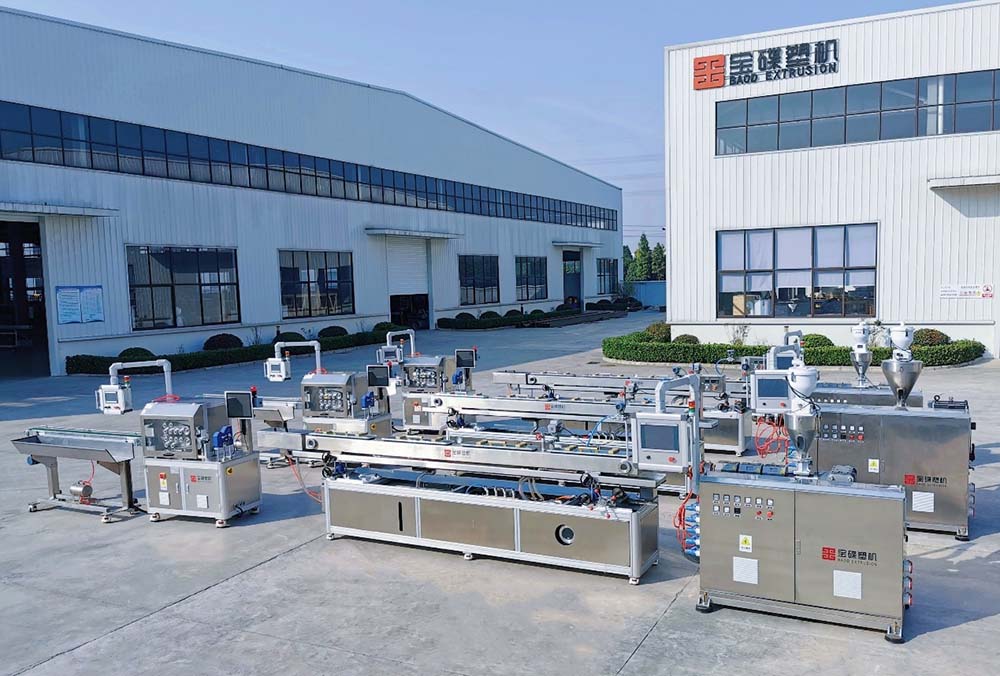
BAOD EXTRUSION (Jiangsu Baodie Automation Equipment Co., Ltd.), founded in 2002, is dedicated to the design, manufacturing, and sales of high-performance plastic extrusion equipment.
Building on 18 years of experience in designing and fabricating high-quality machinery in Taiwan, our original parent company (KINGSWEL GROUP) established our main Shanghai extrusion manufacturing base in 1999 to support growing global demands.
Our long-term R&D is focused on pushing boundaries in:
Manufacturing Experience: Established design heritage ensuring reliability.
Factory Footprint: State-of-the-art facility optimized for heavy machine assembly.
Expert Workforce: Skilled engineers and quality assurance specialists.
Analyzing how automotive PA pipe extrusion systems deploy into modern industrial and smart manufacturing networks.
Real-time telemetry integration with PLC architectures lets factories track raw material yield, energy consumption, and melt flow in real-time.
Multi-layer co-extrusion technology enables manufacturers to meet strict vehicle emission standards while keeping material costs down.
Low-friction melt channels and energy-efficient barrel heating structures reduce carbon footprint during continuous manufacturing operations.
As the automotive sector focuses on electrification, green hydrogen systems, and automated driving, fluid-handling requirements are changing fast. Extrusion technology must adapt to these shifting performance demands.
Global environmental initiatives are driving interest in bio-sourced polymers derived from castor oil, such as Polyamide 11. These materials require customized extruder heating profiles and screw designs to process effectively without losing their physical properties.
In tightly packaged modern engine bays and EV battery trays, routing flexibility is key. Corrugated PA pipes prevent kinking when bent sharply. Next-generation corrugator machines operate inline with the extrusion line, utilizing vacuum-assisted forming blocks that synchronize with the puller speed to yield perfect corrugation pitches at high speeds.
Modern extrusion lines feature automated dimensional monitoring. X-ray and ultrasonic measuring devices measure wall thickness and concentricity inline. When deviations occur, these systems automatically signal the PLC to adjust puller tension or extruder screw speed, keeping scrap rates near zero.
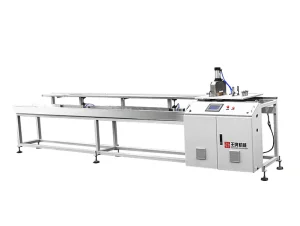
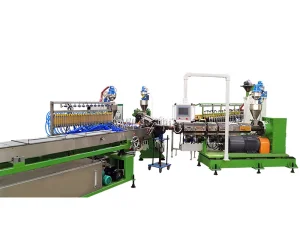
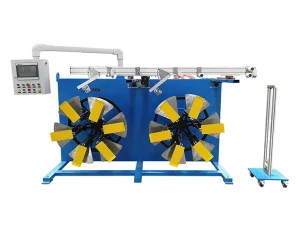
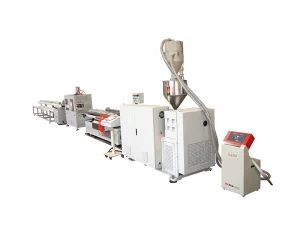
Precision-engineered systems designed to meet high automation and efficiency requirements.
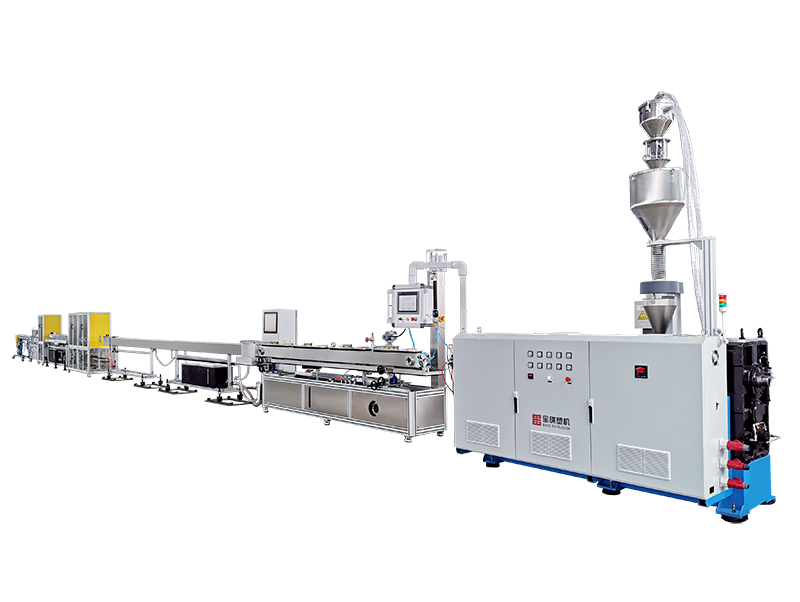
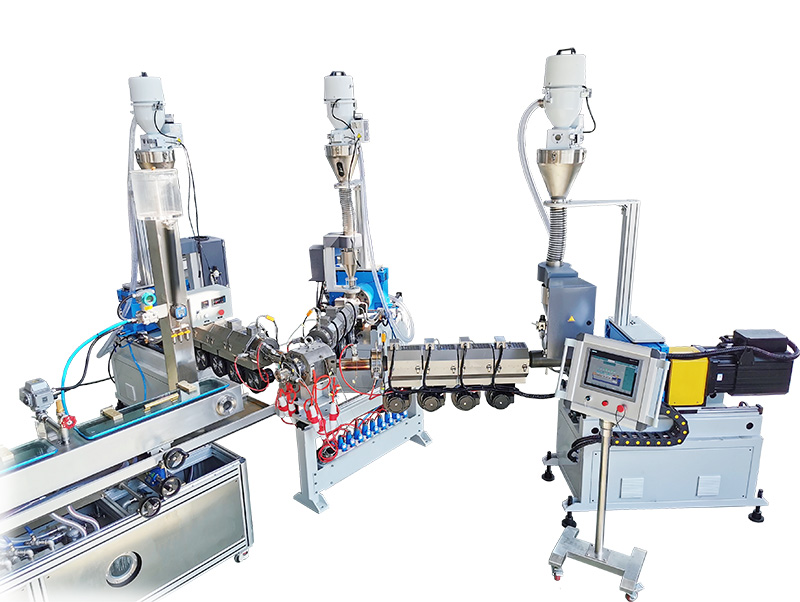
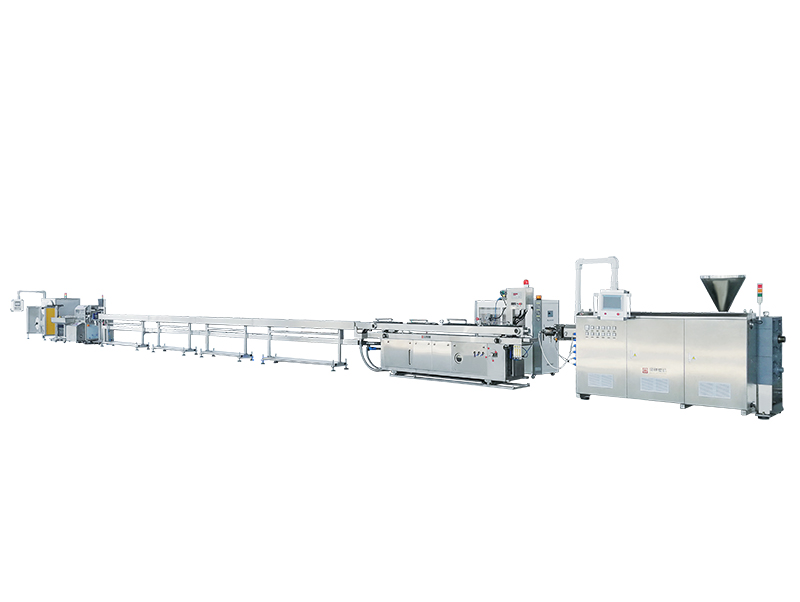
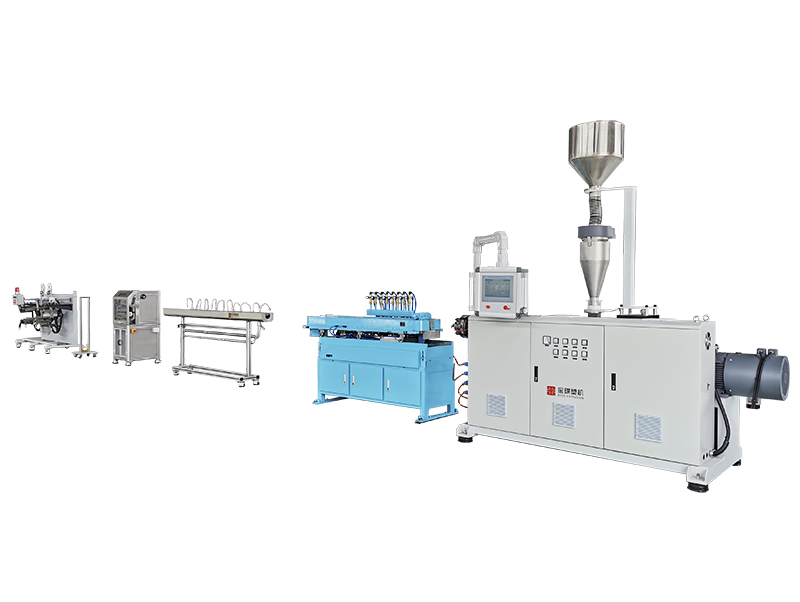
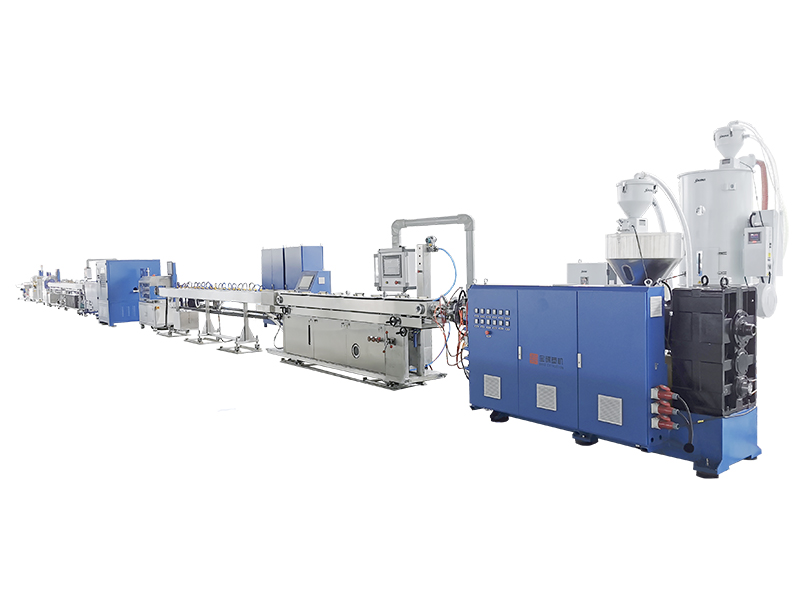
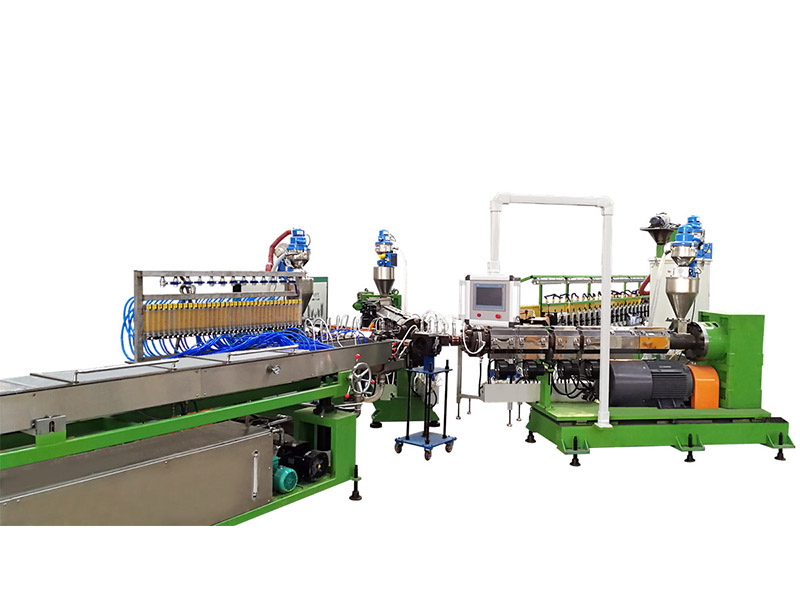
When sourcing a high-speed PA pipe extrusion line, global engineering teams should assess several key areas beyond the base machine cost:
Stay updated with the latest technological developments, exhibition showcases, and industrial compliance insights.
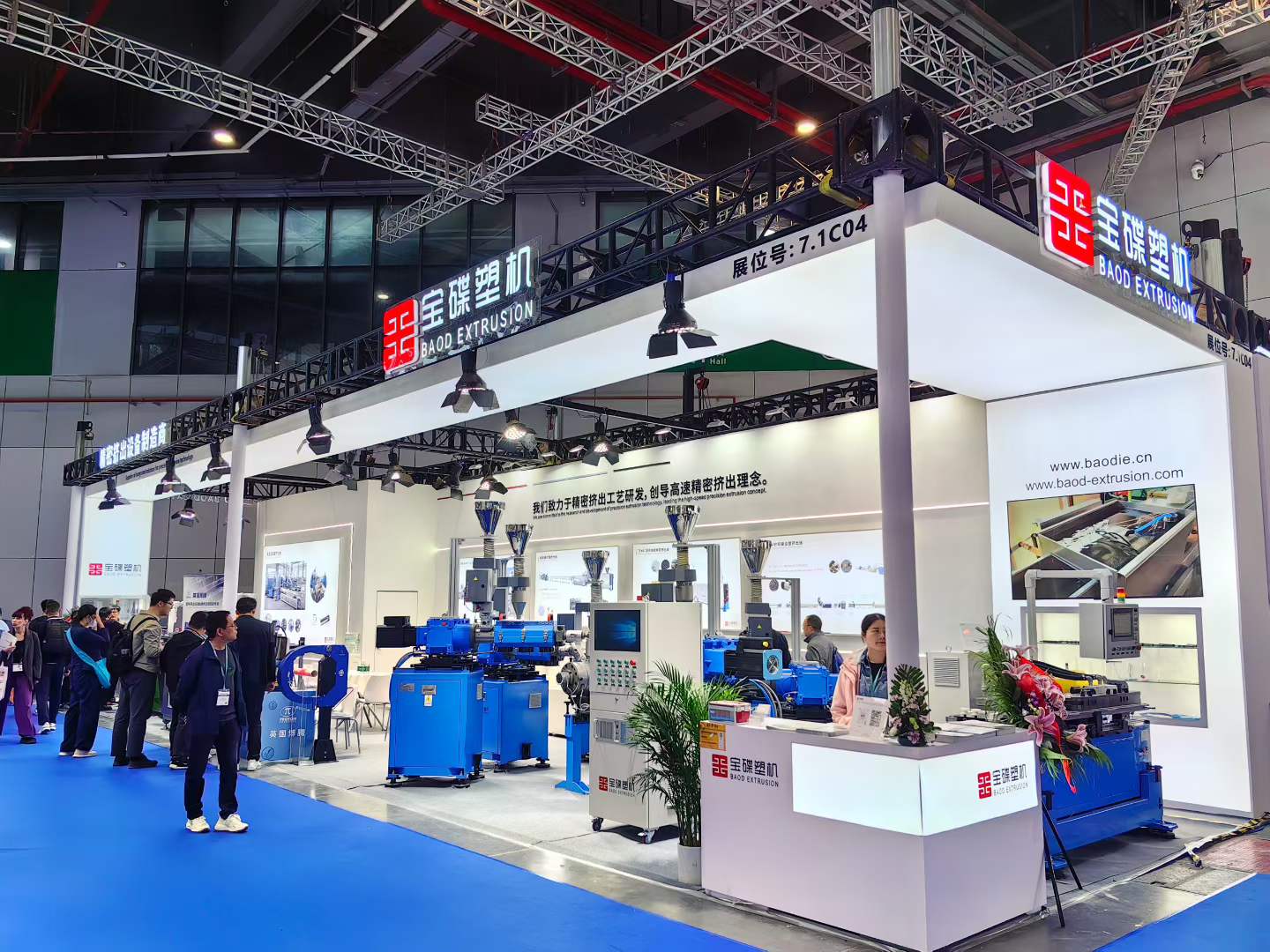
From April 21–24, CHINAPLAS 2026 was successfully held at the National Exhibition and Convention Center in Shanghai. BAOD EXTRUSION presented "Smart Extrusion & High-Efficiency Innovation" solutions...
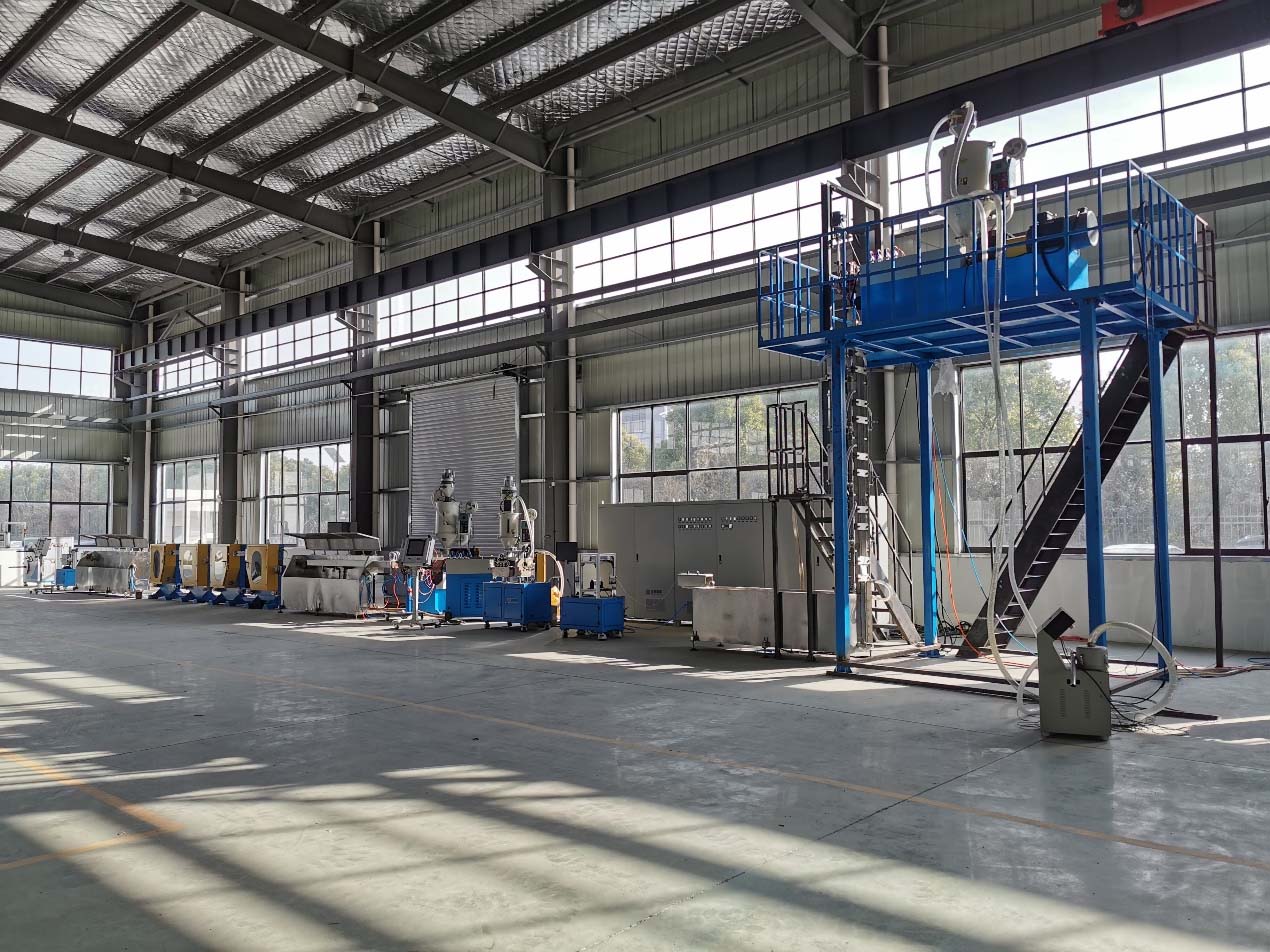
In modern industrial facilities, detonating tubes are critical across mining and infrastructure projects. Discover BAOD's custom extrusion solutions...
Analyzing complex medical catheter multi-lumen extrusion technologies and structural design compliance differences between China and Europe...
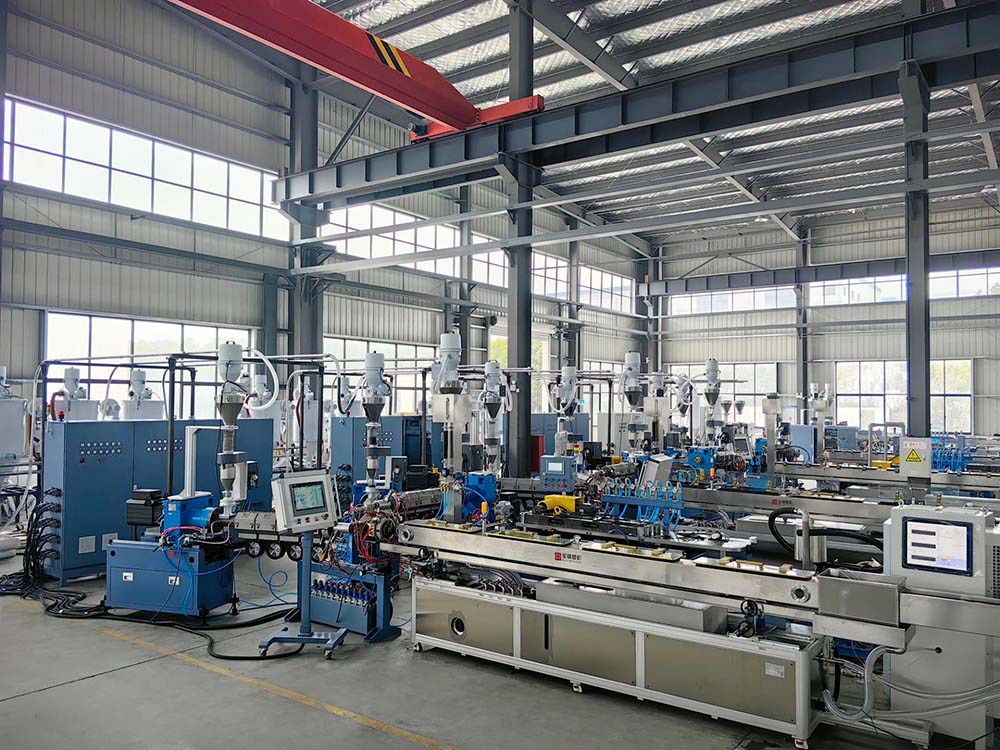
How the world's most reputable vehicle manufacturers ensure the integrity of fuel lines and cooling pipes using BAOD's advanced extrusion technology...
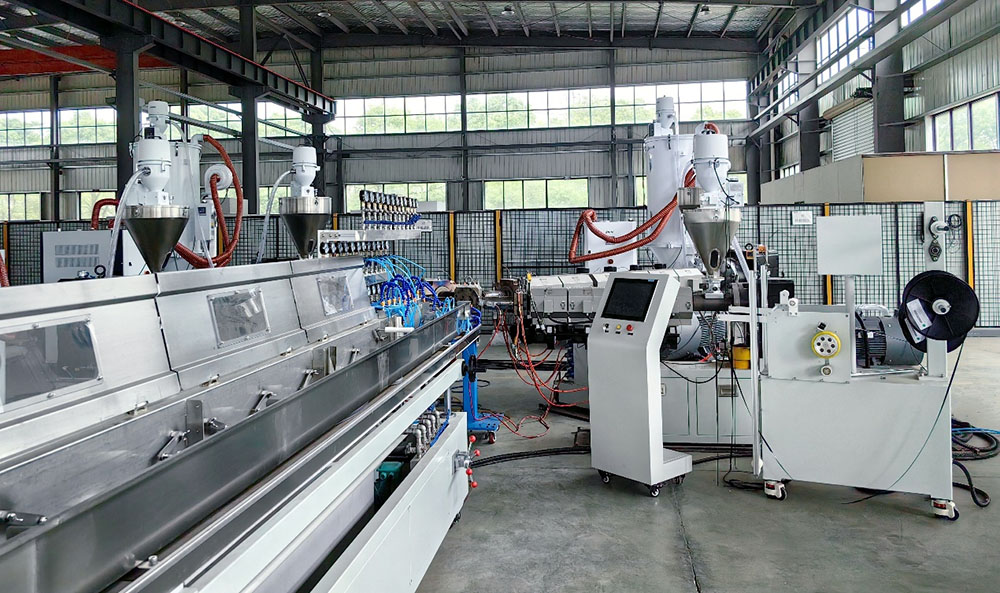
Behind the quietness of modern EV cabins lies precision sealing strips. Here are the engineering trends driving production automation in 2026...
Highlighting the successful conclusion of our presentations at Booth 7.1C04, showcasing smart co-extrusion technology to worldwide buyers...
Crucial industrial answers for procurement officers, plant directors, and automotive engineering teams.
Complete manufacturing setups from basic extrusion heads to specialized cutters, calibrators, and automatic winders.
 Baodie