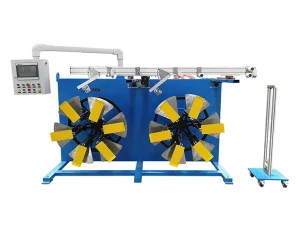
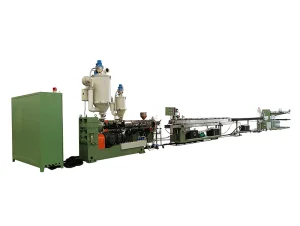
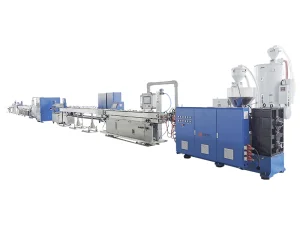
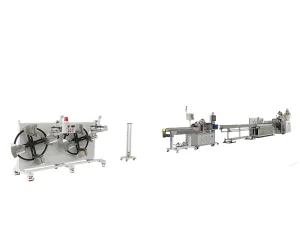
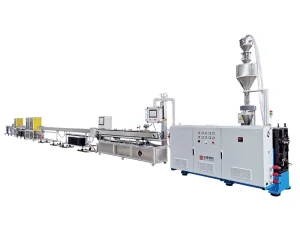
Explore our premium precision manufacturing lines, components, and downstream automation equipment engineered for high-accuracy medical extrusion facilities globally.
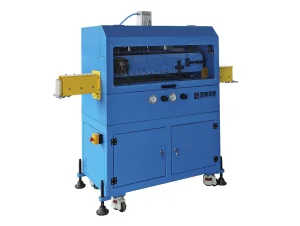
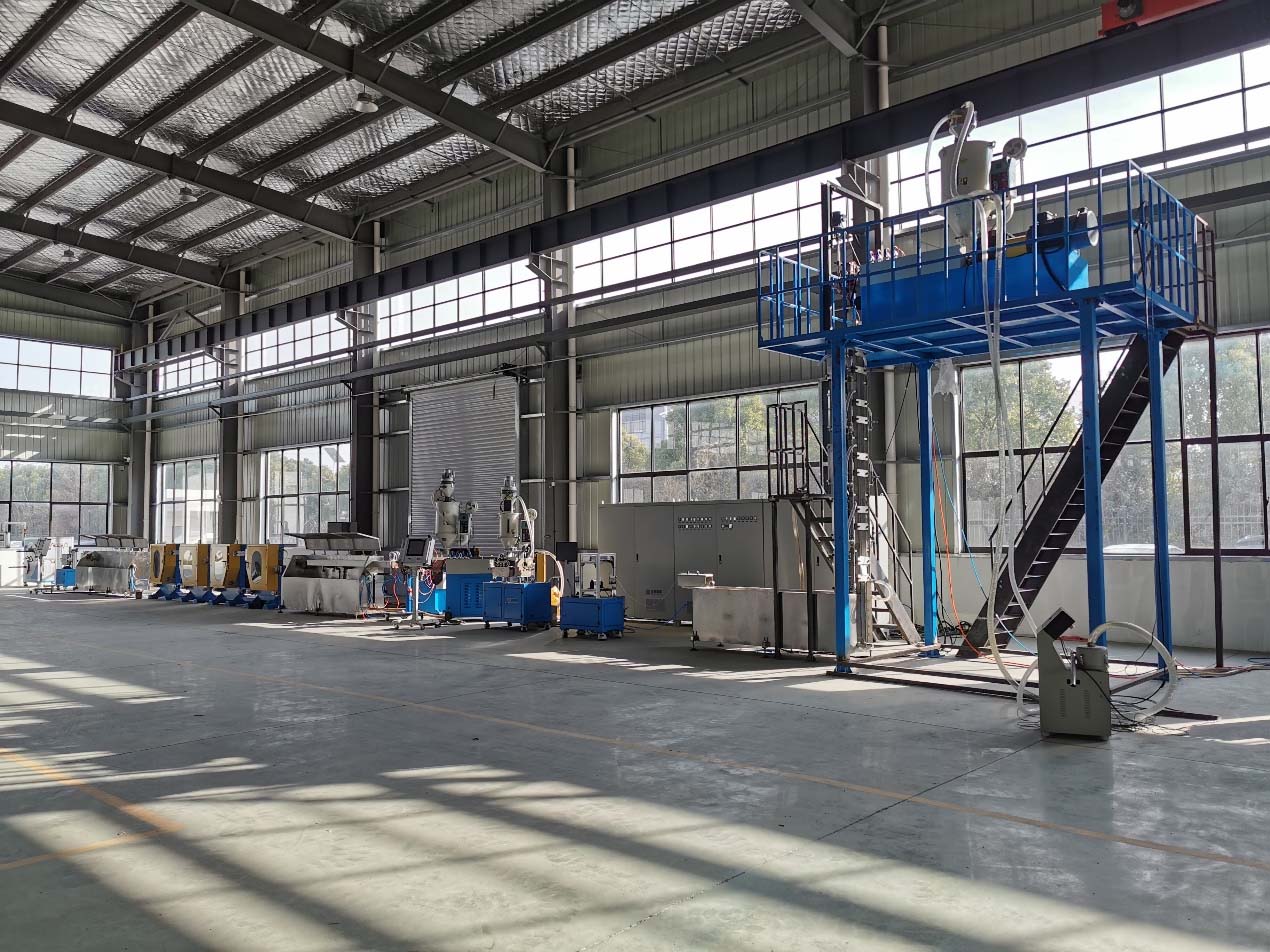
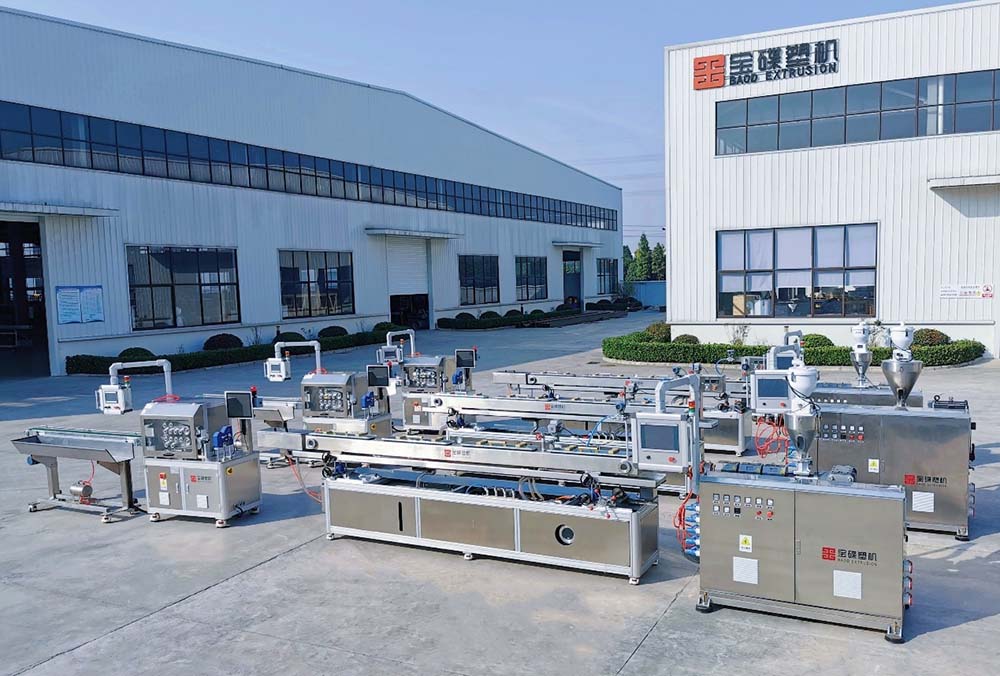
BAOD EXTRUSION (Jiangsu Baodie Automation Equipment Co., Ltd.) was established in 2002, committed to the design, engineering, and global distribution of high-end plastic extrusion machinery. Leveraging over 25 years of experience in fabricating high-precision systems in Taiwan, our parent enterprise (KINGSWEL GROUP) laid our manufacturing foundations in Shanghai in 1999, subsequently moving to our state-of-the-art facility in Jiangsu.
We focus systematically on continuous research and development, aiming to deliver top-tier automation and precision controls for medical tubing OEMs, pharmaceutical packaging industries, and high-spec industrial hose suppliers.
By combining Taiwan's precision machinery design legacy with continuous mainland manufacturing scaling, BAOD Extrusion has evolved into a global supplier. Our machinery is compliant with international directives, assuring reliable integration into Class 100,000 cleanrooms for medical grade plastic processing.
We maintain long-term collaborative partnerships with global polymer suppliers to optimize screw geometries, guaranteeing thermal-degradation-free extrusion of highly sensitive materials like DEHP-free PVC, PU, and TPE/TPV.
Years of Extrusion R&D Experience
Modern Manufacturing Footprint
Highly Skilled Technicians & Engineers
An in-depth analysis of global sourcing trends, material safety, co-extrusion technology, and cleanroom validation requirements for next-generation medical devices.
Medical PVC (Polyvinyl Chloride) tubing remains the foundational conduit material in global healthcare, critical for applications ranging from intravenous therapy, blood transfusions, and enteral feeding to complex cardiopulmonary bypass circuits and hemodialysis systems. According to medical market dynamics, global procurement teams do not simply purchase tubing; they purchase system compatibility, chemical safety, and strict dimensional tolerances.
Historically, Di-(2-ethylhexyl) phthalate (DEHP) was the primary plasticizer utilized to render rigid PVC flexible enough for clinical application. However, because DEHP is not chemically bound to the polymer matrix, it can leach out into lipid-rich solutions or patient fluids. Consequently, regulatory frameworks like the European Union's MDR (Medical Device Regulation) and the US FDA have accelerated the shift toward alternative plasticizers. Global procurement now centers on DEHP-free formulations, utilizing safer plasticizers like TOTM (Trioctyl Trimellitate), DINCH (Di-isononyl-cyclohexane-1,2-dicarboxylate), and DOTP (Dioctyl Terephthalate).
Manufacturers must possess the technology to extrude these non-phthalate formulations without inducing thermal degradation. TOTM, for instance, requires higher processing temperatures but exhibits lower thermal stability under high shear stresses. To process these materials safely, extrusion lines must feature custom-designed screw profiles, precisely calibrated heating bands, and dynamic cooling configurations to prevent the release of corrosive hydrochloric acid (HCl) gas.
Information Gain: The choice of plasticizer significantly alters the melt viscosity. Traditional general-purpose extrusion lines fail to regulate wall thickness when transitioning from DEHP-plasticized PVC to DINCH or TOTM. Precision-machined, low-shear screws with a high L/D (Length-to-Diameter) ratio of 28:1 to 32:1 are necessary to achieve a homogeneous melt flow and prevent dimensional variations.
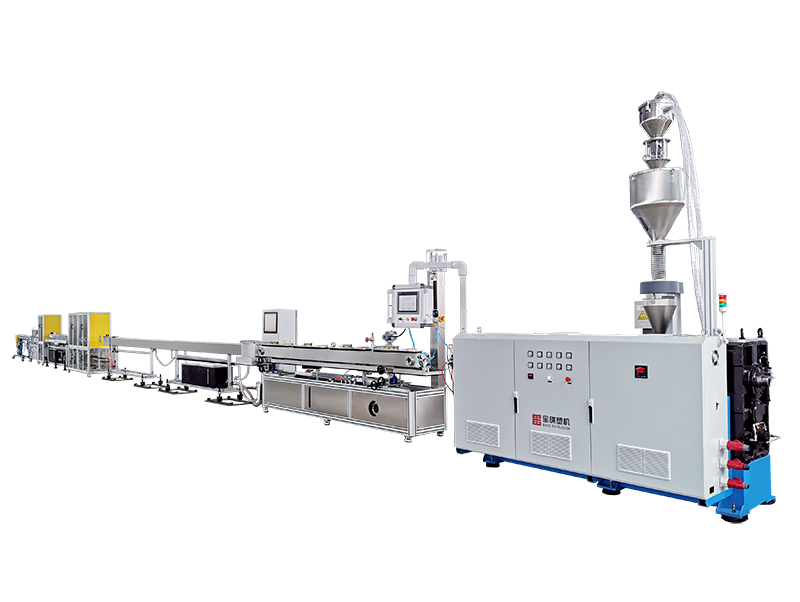
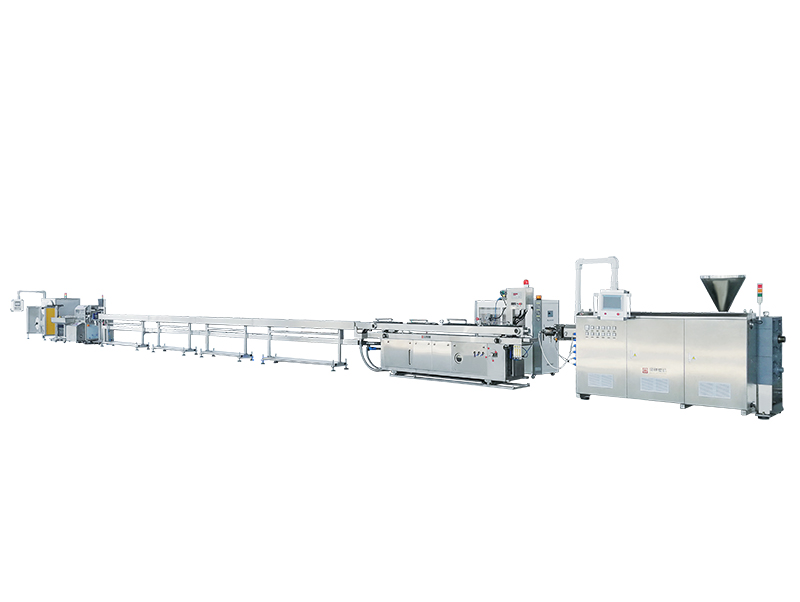
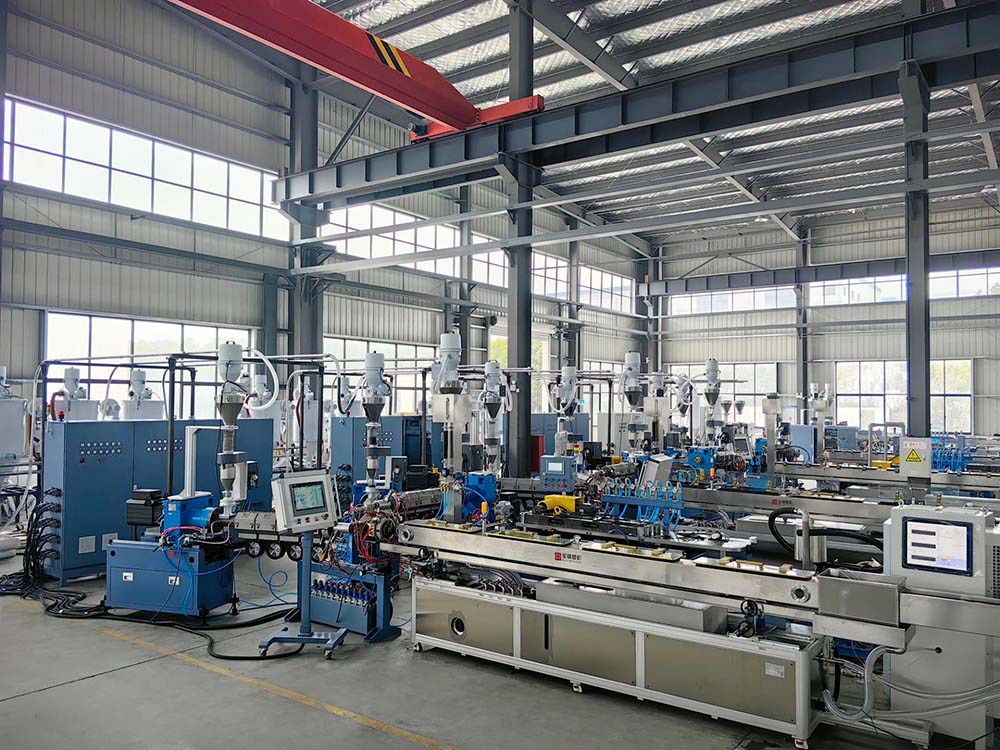
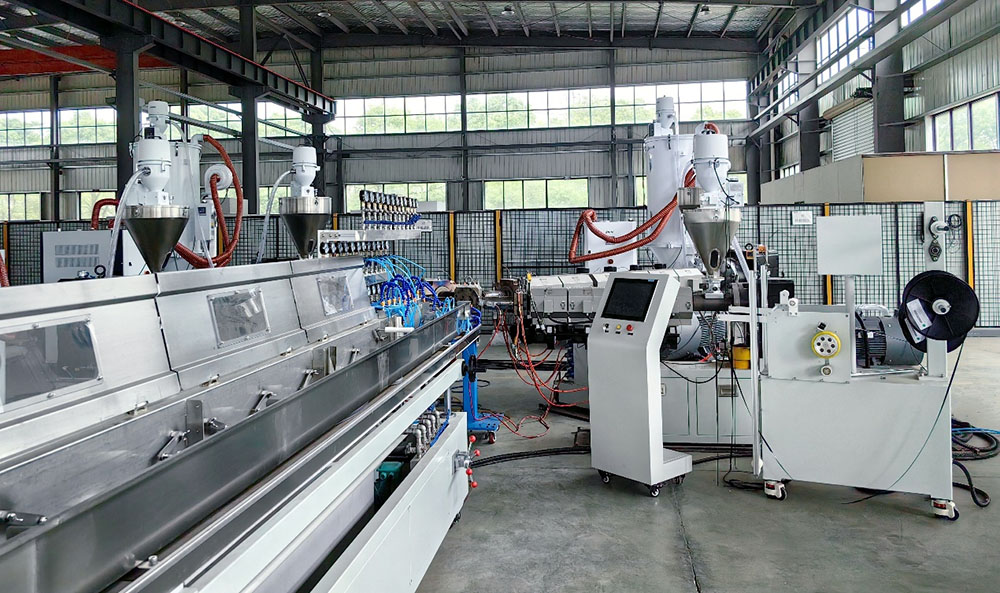
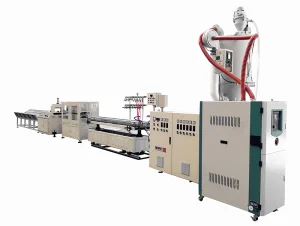
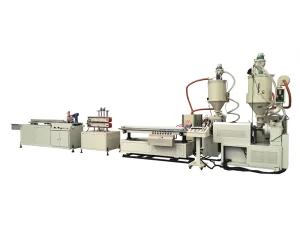
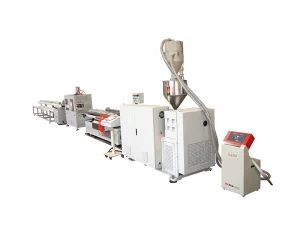
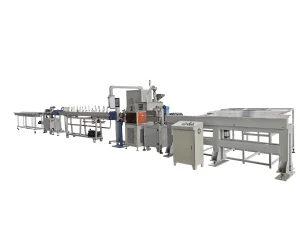
Achieving the dimensional accuracy required for micro-bore, multi-lumen, and multi-layer medical tubing requires a synchronized, closed-loop downstream process. A modern precision medical tubing line consists of several distinct stages:
The process begins with gravimetric dosing systems that continuously feed PVC resin blends into the extruder. This system maintains accuracy within ±0.2% of the targeted throughput, ensuring that raw material flow remains uniform despite variations in bulk density. The extruder must features PLC-controlled AC servo motors to guarantee exceptionally stable screw speeds, which is crucial for preventing pulsation.
The extrusion die head is designed to maintain laminar flow and avoid stagnation zones where PVC could degrade. For multi-lumen catheters or co-extruded tubes (e.g., with a radiopaque stripe), high-precision multi-layer crossheads are used. These crossheads feature micron-adjustable centering screws that allow technicians to calibrate wall concentricity to greater than 95%.
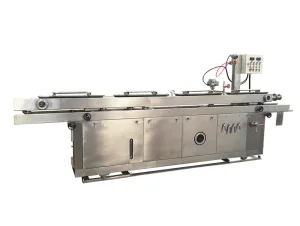
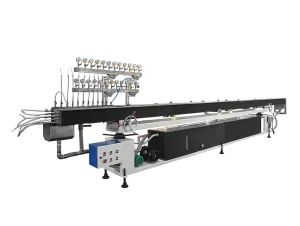
As the molten parison exits the die, it enters a vacuum sizing tank. The design of this tank controls the outer diameter (OD) and roundness of the tubing. Utilizing a highly stable, double-chamber vacuum control system, the pressure is regulated dynamically. Water temperature is kept constant using automated chilling units, preventing rapid thermal shock that can induce internal residual stresses and cause the tubing to bend or warp post-extrusion.
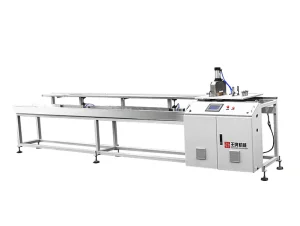
Downstream haul-off systems, such as the QYP Series Belt Puller, must run smoothly without slipping or compressing the delicate, semi-solid tubing. Tension controls are integrated with dual-axis laser measurement gauges located after the cooling tank. If the laser detects the OD drifting out of tolerance (e.g., ±0.02mm), the PLC automatically adjusts the puller speed to bring the dimensions back into specification. Finally, follow-up fly-cutters or rotary cutters cleanly slice the tubing to the required length without leaving burrs or crushing the lumen.
The medical device industry is transitioning toward more complex, multi-functional designs. Single-layer PVC tubing is increasingly being replaced by multi-layer structures and micro-bore multi-lumen profiles.
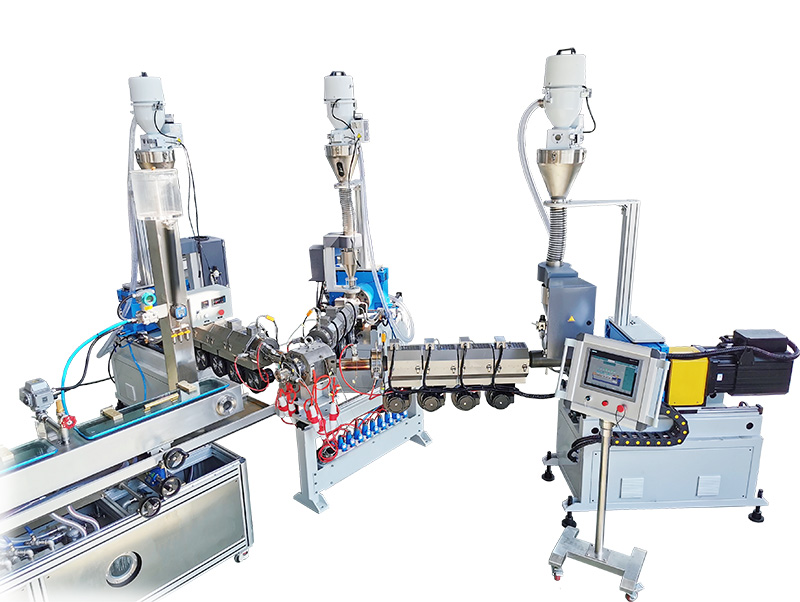
Co-Extrusion (Multi-Layer & Stripe Technology): Multi-layer tubing allows developers to combine the properties of different polymers. For example, a three-layer co-extruded tube can feature a highly chemically resistant TPU (Thermoplastic Polyurethane) inner layer, a structural PVC middle layer, and a soft, comfortable TPE outer layer. Additionally, incorporating a Barium Sulfate (BaSO4) radiopaque stripe into the PVC matrix allows clinicians to visualize the tube clearly under X-ray imaging. This requires specialized co-extrusion die blocks that feed two or three separate melt streams into a single die without boundary mixing.
Micro-Bore and Multi-Lumen Geometries: Advanced catheters (such as central venous catheters or endoscopy shafts) require multiple channels (lumens) to run concurrently through a single tube. Each lumen may carry a different fluid, guide wire, or fiber-optic sensor. Extruding these profiles requires custom pin-and-die sets equipped with internal air-injection manifolds. These manifolds prevent the lumens from collapsing under ambient pressure before the polymer solidifies in the cooling tank.
Medical tubing factories must operate under strict quality management systems, specifically ISO 13485, and comply with international regulations such as the US FDA 21 CFR Part 820. When introducing a new extrusion line, manufacturers must perform a rigorous validation process consisting of Installation Qualification (IQ), Operational Qualification (OQ), and Performance Qualification (PQ).
Installation Qualification (IQ): Verifies that the extrusion machinery is installed correctly, with all electrical, pneumatic, and water connections conforming to safety codes. This includes checking calibration certificates for temperature sensors, pressure transducers, and laser gauges.
Operational Qualification (OQ): Evaluates the equipment's operating limits. Engineers run the extrusion line at the upper and lower limits of the process window (e.g., maximum screw speed and minimum cooling water temperature) to confirm it can consistently produce tubing within specification.
Performance Qualification (PQ): Demonstrates that the process remains stable and consistent over extended production runs. Typically, this involves three consecutive, full-scale production batches where key quality metrics—such as inner diameter, outer diameter, concentricity, tensile strength, and bioburden levels—are monitored and statistically analyzed (calculating Cpk values, which must exceed 1.33).
Precision-engineered systems designed to meet demanding production standards across various applications.
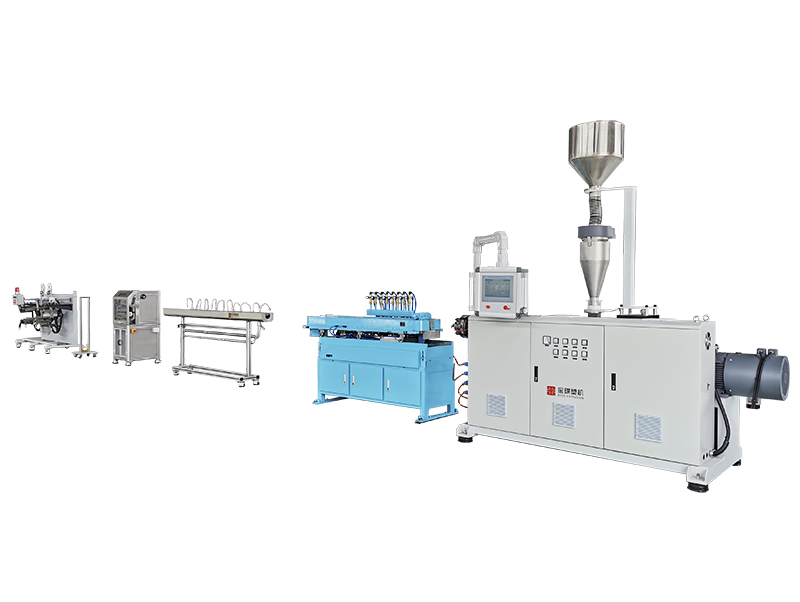
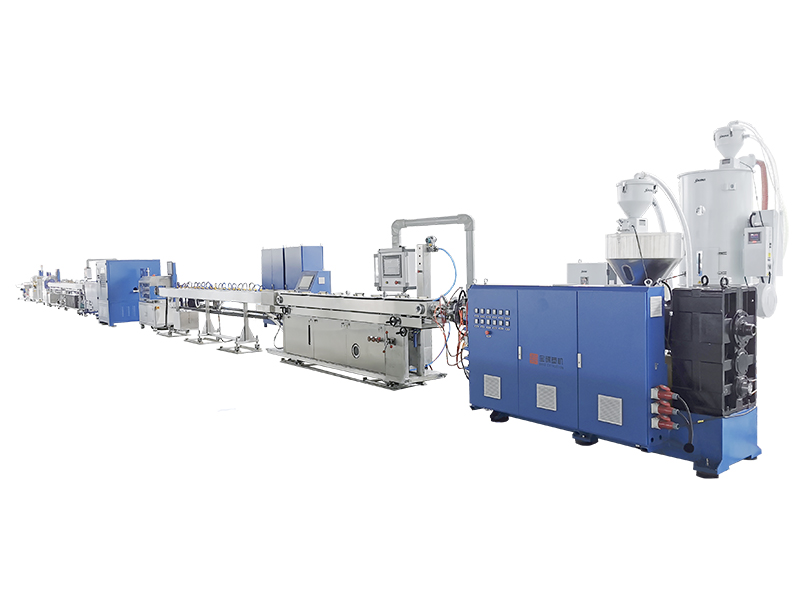
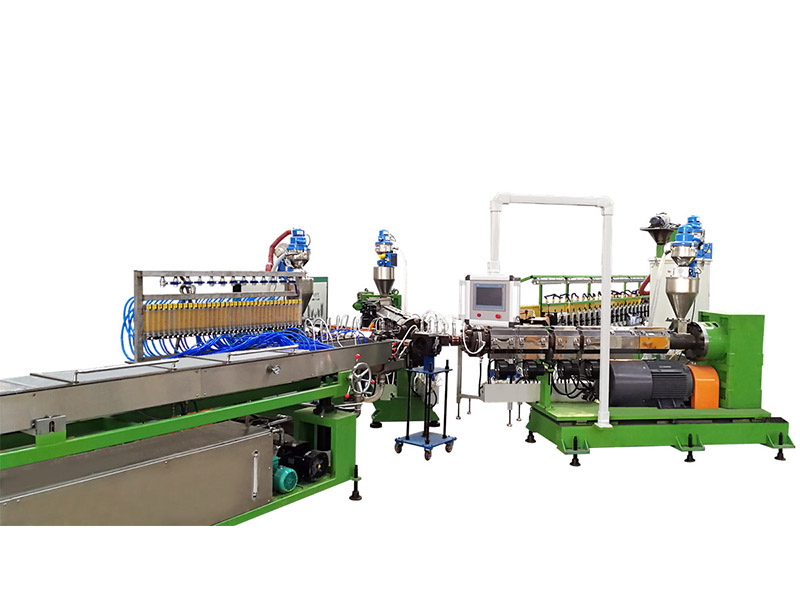
Stay updated on the latest breakthroughs in polymer extrusion technology, safety compliance, and global trade show showcases.
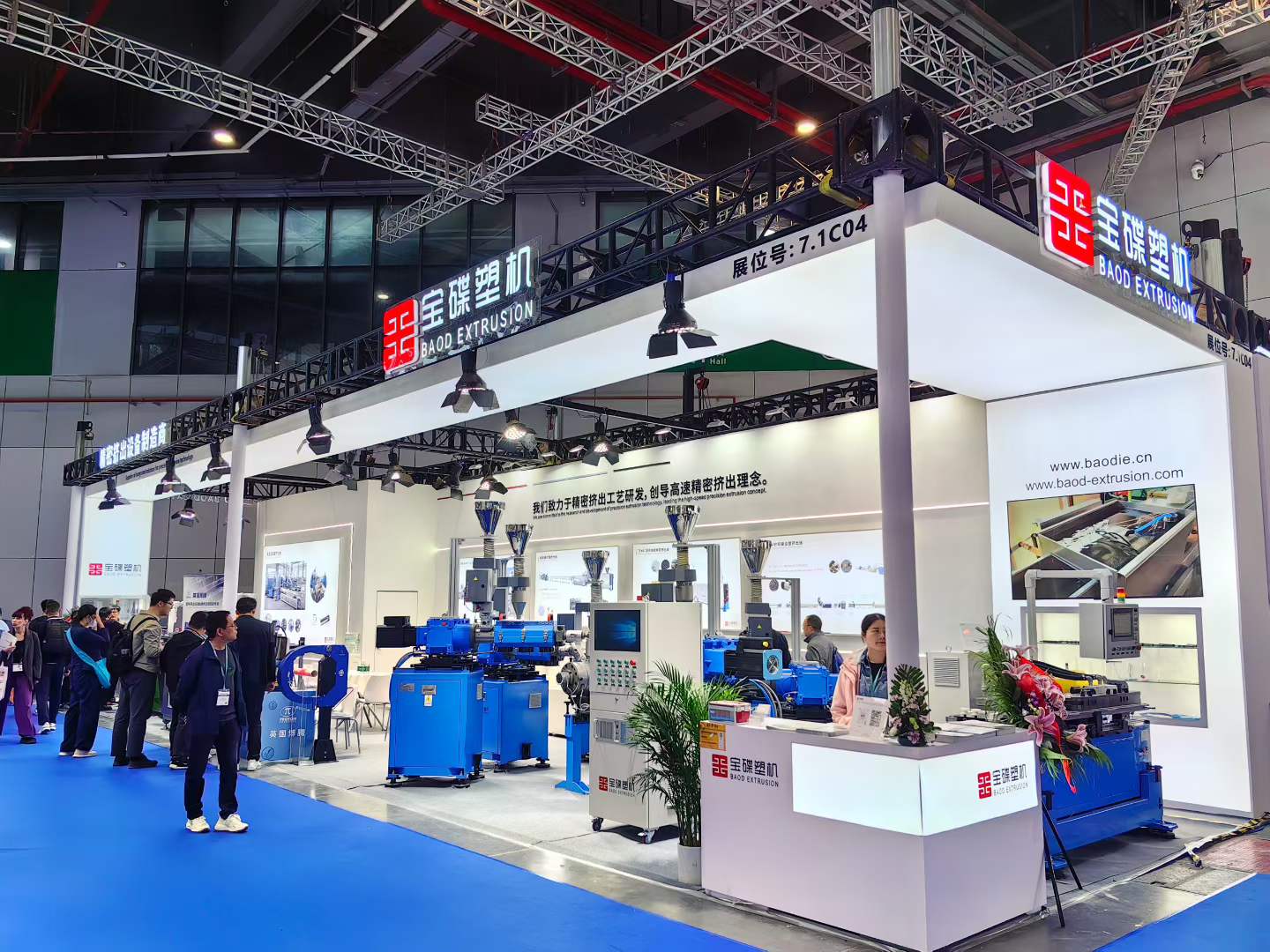
From April 21–24, CHINAPLAS 2026 was successfully held at the National Exhibition and Convention Center (Shanghai, Hongqiao). BAOD EXTRUSION showcased its latest R&D achievements at Booth 7.1C04, presenting "Smart Extrusion & High-Efficiency Innovation" solutions...
In the controlled environment of a modern industrial facility, a single, hair-thin plastic tube wound onto a reel might seem unremarkable to the untrained eye. However, in sectors ranging from mining and quarrying to large-scale infrastructure demolition, this tube—known...
In the sterile, quiet environment of a modern medical facility, a clinician prepares a complex catheter for a critical procedure. This thin, flexible tube is far more than a simple conduit; internally, it is divided into several microscopic channels, or lumens, each desi...
How do the world's most reputable vehicle manufacturers ensure the absolute integrity of every fuel line, brake hose, and cooling pipe buried deep within a vehicle’s chassis? Why has the shift toward electric and lightweight vehicles made the precision of these small-dia...
As the twilight sun reflects off the sleek, aerodynamic curves of a modern electric vehicle parked in a bustling metropolitan street, few observers notice the quiet, critical components ensuring the cabin remains a sanctuary of silence and temperature control. Behind the...
From April 21–24, CHINAPLAS 2026 was successfully held at the National Exhibition and Convention Center (Shanghai, Hongqiao). BAOD EXTRUSION showcased its latest R&D achievements at Booth 7.1C04, presenting "Smart Extrusion & High-Efficiency Innovation" solutions tha...
Answers to common questions regarding precision tolerances, raw materials, system validations, and cleanroom installation.
Our precision medical PVC extrusion lines maintain outer diameter (OD) and wall thickness tolerances within ±0.015mm to ±0.03mm (depending on the tubing diameter and materials used). The closed-loop control system connects the dual-axis laser measurement system directly to the puller servo motor, correcting variations in real-time.
Yes, our medical extrusion equipment is designed to meet Class 100,000 (ISO Class 8) and Class 10,000 (ISO Class 7) cleanroom requirements. The lines feature stainless steel structures, covered cables, non-contaminating vacuum sizing systems, and water filtering units that prevent particulate generation.
Yes. Our specialized screw designs feature customized compression ratios and shear profiles that prevent material degradation in sensitive medical plastics like TOTM-plasticized PVC, polyurethane (PU), and thermoplastic elastomers (TPE/TPV).
We offer comprehensive documentation support for IQ/OQ/PQ processes, along with on-site installation and commission support by experienced engineers. Additionally, our remote maintenance modules allow our engineers to perform troubleshooting and software updates globally.
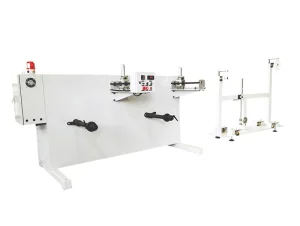
Complete your medical extrusion production line with our high-end ancillary equipment, winding systems, and puller modules.
 Baodie