What is the Best Extrusion Line for Your Manufacturing Needs?

Time:2026-06-15 Author:Mason
0%

Choosing the right extrusion line is crucial for any manufacturing process. An extrusion line shapes materials, transforming raw inputs into functional products. The selection hinges not just on machinery but also on specific production demands and material types.

Many manufacturers struggle with this choice. They may prioritize cost over quality, leading to inefficiencies. Alternatively, an overinvestment in advanced technology without a clear purpose can yield limited returns. It’s essential to balance between capability and budget.

Understanding your unique needs can guide your decision. Factors like production volume, product design, and raw material characteristics matter. Engage with experts and partners in the field to ensure reliability and optimal performance from your extrusion line. Reflection on past experiences can lead to better future choices.
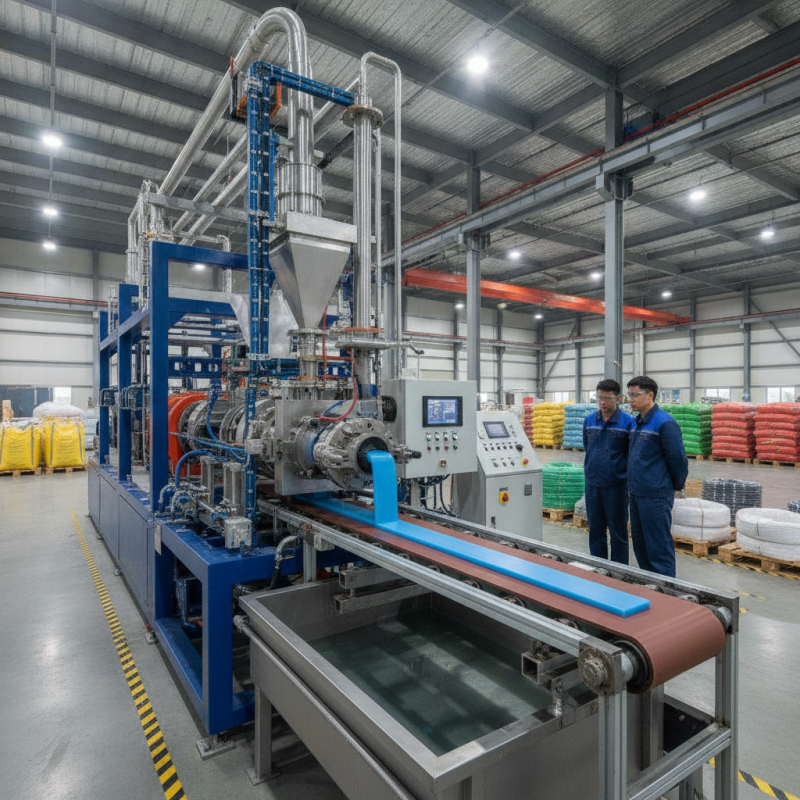
What is the Best Extrusion Line for Your Manufacturing Needs?

Understanding Extrusion Line Technology and Its Applications

Extrusion line technology is critical for numerous manufacturing industries. It involves forcing materials through a die to create desired shapes. This process is prevalent in plastic and metal industries. Data indicates that the global extrusion market is projected to reach $300 billion by 2025. This growth reflects a rising demand for complex shapes in various applications.

Choosing the right extrusion line can be challenging. Consider your specific needs, such as materials and production volume. For example, a single-screw extruder may be adequate for simpler tasks. In contrast, a twin-screw extruder offers better mixing and versatility for complex formulations. Each option has benefits and limitations.

Tip: Regular maintenance of your extrusion line can prevent costly downtime. Always ensure proper calibration for optimal output. Quality control is essential to ensure components meet specifications. Evaluate performance metrics continuously for improvements. Being vigilant in these areas can enhance efficiency and product quality.

Factors to Consider When Selecting an Extrusion Line for Manufacturing

Selecting the right extrusion line for manufacturing involves several critical considerations. First, assess the materials you plan to use. Different machines work better with certain plastics or metals. For example, thermoplastics require specific temperature controls during extrusion. Understanding these material characteristics will guide your choice.

Next, evaluate production capacity. How much output do you need? A small workshop may benefit from a compact extruder, while large-scale productions require high-capacity lines. Consider the line speed, as it affects efficiency. But beware: faster does not always mean better. You must balance speed with product quality.

Another important factor is ease of maintenance. Regular upkeep is necessary for optimal performance. Machines that are difficult to service can lead to costly downtimes. Think about the availability of replacement parts and technical support in your area. Having reliable resources is essential for any manufacturing process.

Types of Extrusion Lines and Their Specific Benefits

When exploring the best extrusion line for your manufacturing needs, it's crucial to understand the various types available. Each extrusion line serves different purposes, catering to specific materials and production requirements. For instance, twin-screw extruders are excellent for blending multiple materials. They provide better control over the mixing process. This makes them suitable for advanced polymer applications.

On the other hand, single-screw extruders are often more efficient for simple, continuous processing. They are widely used in the production of films and sheets. Their straightforward design allows for easier maintenance. However, they may lack the versatility of twin-screw models. It's essential to evaluate production goals and material types.

Another option is co-extrusion lines, which enable the production of multilayer products. This can enhance product performance and aesthetics. Nonetheless, co-extrusion systems require more complex setup and control. Manufacturers must weigh the benefits against potential operational challenges. Understanding these details can lead to more informed decisions.

Evaluating Production Capacity and Efficiency Needs

Choosing the right extrusion line is crucial for optimizing production capacity and efficiency. The industry has seen a shift towards technology that enhances output without compromising quality. According to a recent report by the International Plastics Industry Association (IPIA), companies utilizing advanced extrusion lines can boost production capacity by up to 30%. This is significant for manufacturers aiming to meet increasing market demands.

Moreover, efficiency in extrusion lines has direct implications for operational costs. Data from the Plastics Industry Trade Association indicates that updated machinery can reduce energy consumption by approximately 25%. While these advancements are promising, they come with a need for proper integration into existing systems. Many manufacturers face challenges when upgrading technology. Training employees to handle new equipment is often overlooked.

In the pursuit of enhanced efficiency, manufacturers should also consider maintenance schedules. Neglecting regular maintenance can lead to unexpected downtimes. A study published in the Journal of Manufacturing Systems found that 60% of production losses stem from equipment failures. This underscores the importance of balancing capacity enhancements with reliable operations. It invites a reflective approach to the sustainability of high-output extrusion lines.

What is the Best Extrusion Line for Your Manufacturing Needs? - Evaluating Production Capacity and Efficiency Needs

Extrusion Line Model Production Capacity (kg/h) Energy Efficiency (%) Setup Time (hours) Maintenance Frequency (months)
Model A 150 85 2 6
Model B 200 90 1.5 4
Model C 250 88 2.5 5
Model D 180 87 2 6

Cost-Benefit Analysis for Different Extrusion Line Options

When selecting an extrusion line, understanding the cost-benefit analysis is crucial. Different options vary significantly in initial costs and long-term efficiency. A lower-priced extrusion line may seem appealing, but consider its production capacity and energy consumption. The initial savings can vanish if the equipment requires frequent maintenance or operates inefficiently.

Investing in a more advanced extrusion line often pays off. These lines typically offer higher throughput and better material handling. Increased automation can also reduce labor costs. However, the complexity of installation and training must be evaluated. Will your team adapt quickly?

Balancing upfront costs with potential returns can be challenging. Understanding your production needs is essential. Assessing factors like required output, material types, and product specifications can guide your choice. Gathering insights from industry experts can also provide clarity. Making a well-informed decision today will support your manufacturing goals tomorrow.

FAQS

: What should I consider when selecting an extrusion line?

: Assess the materials you plan to use and their specific requirements.

How does production capacity influence my choice?

A larger output needs high-capacity lines, while smaller jobs may suit compact models.

Does faster production always equal better quality?

Not necessarily; speed must be balanced with product quality for best results.

Why is maintenance important for extrusion lines?

Regular maintenance helps avoid costly downtimes and ensures optimal performance.

How do advanced extrusion lines improve production?

They can boost production capacity by up to 30% without sacrificing quality.

Can upgrading machinery impact energy efficiency?

Yes, updated equipment can reduce energy consumption by around 25%.

What challenges come with machinery upgrades?

Training staff to use new technology is often overlooked, which can hinder productivity.

Are lower-priced extrusion lines worth it?

They may require frequent maintenance, potentially offsetting initial savings.

How can I balance upfront costs with returns?

Understand your production needs and gather insights from industry experts.

What common issue leads to production losses?

About 60% of production losses are due to equipment failures from neglecting maintenance.

Conclusion

Choosing the right Extrusion Line is essential for optimizing your manufacturing processes. Understanding the technology and applications of extrusion lines involves recognizing various types and their specific benefits within different industries. Factors such as production capacity, efficiency needs, and operational scale play a crucial role in this selection process.

Additionally, a thorough cost-benefit analysis helps manufacturers determine the most advantageous options available, ensuring that the chosen Extrusion Line aligns with their production goals and budget constraints. By evaluating these aspects, businesses can effectively enhance their manufacturing capabilities and achieve better productivity.


Mason

Mason

Mason is a seasoned marketing professional with a deep expertise in the company's offerings and a passion for driving brand awareness. With a strong background in digital marketing strategies, he has an innate ability to connect with diverse audiences and effectively communicate product benefits.......